Tell us about the job
Takes about a minute. No obligation.
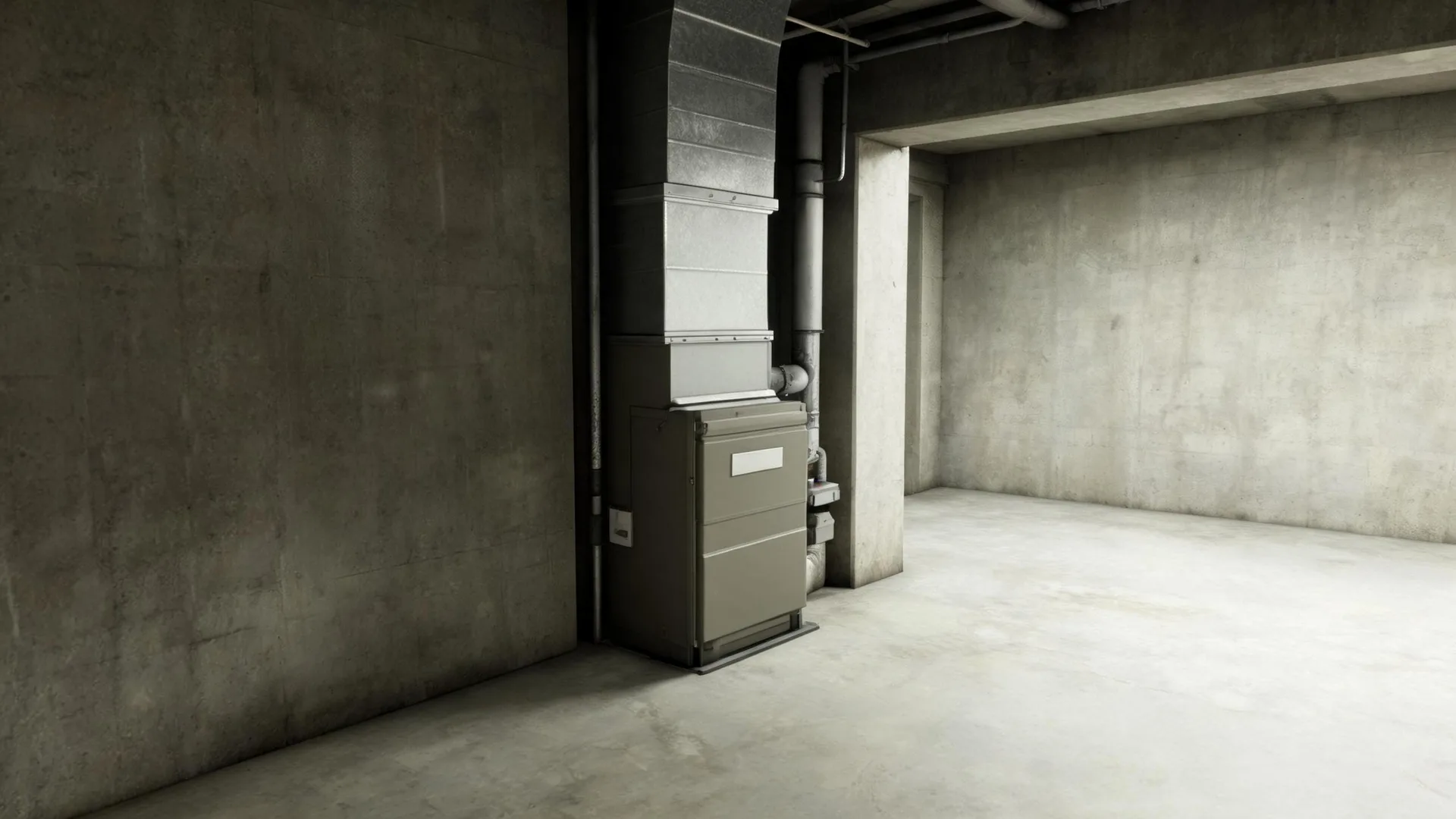
The burner, the heat exchanger, and the ignition system are what a furnace actually wears through over years of cycling, and those are the parts a contractor checks first on a repair call here. Homes in Millard County, UT run heat about eight months a year, from October through May. That much cycling loads the igniter and heat exchanger far harder than it loads the blower or the wiring, so a contractor pricing a repair in this county starts by opening the combustion side rather than the electrical cabinet. Cracks in the heat exchanger, carbon on the burner ports, and a weakened igniter are the findings that drive the bill.
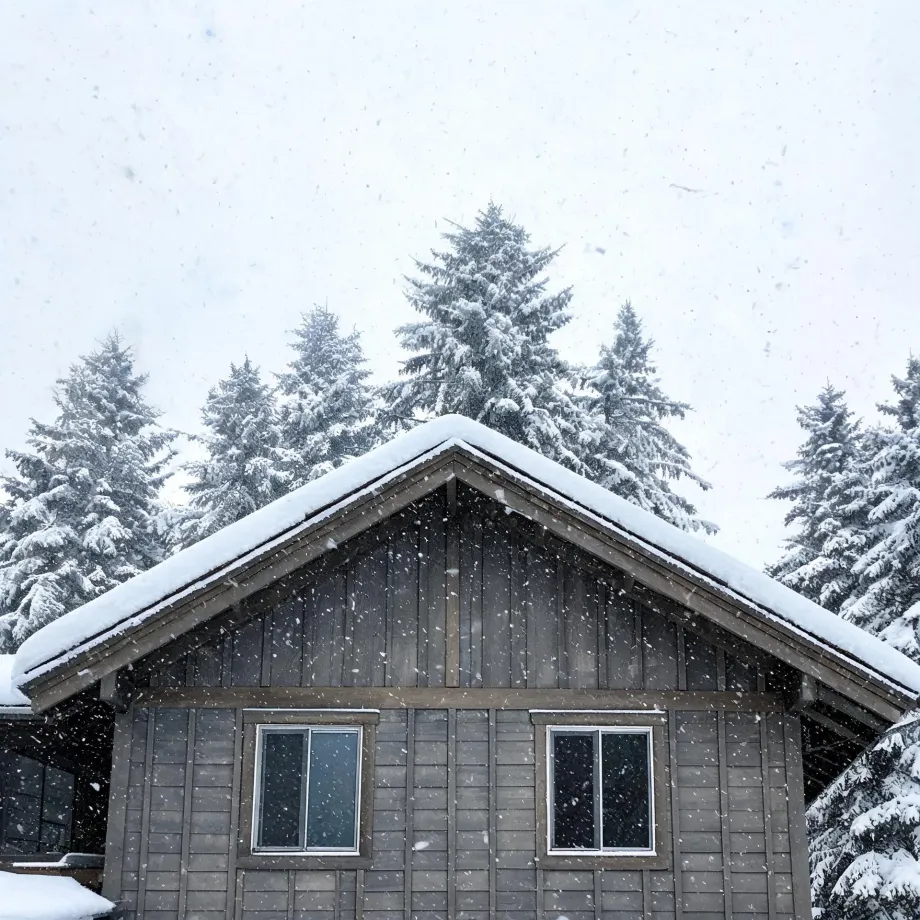
Furnaces in stock this old have often outlasted the parts catalogs written for them. Half the homes in Millard County, Utah were built in 1974 or earlier (2020-2024 ACS 5-year). That gap matters the moment a contractor opens the cabinet and identifies what failed: a cracked heat exchanger, a worn inducer motor, a failed limit switch on a unit whose model line was discontinued years ago. The contractor has to verify whether a compatible replacement part still exists before the repair scope is settled, because the answer changes what gets ordered, what gets fabricated, and sometimes whether repair is the path forward at all.
The Parts of a Furnace a Contractor Checks First
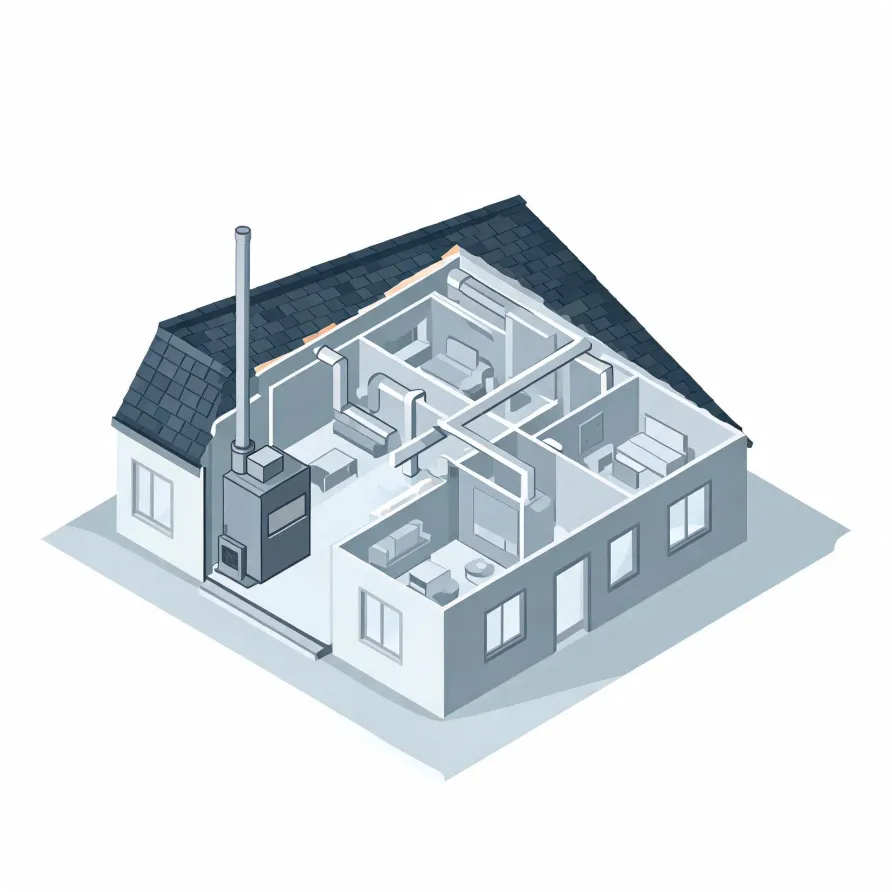
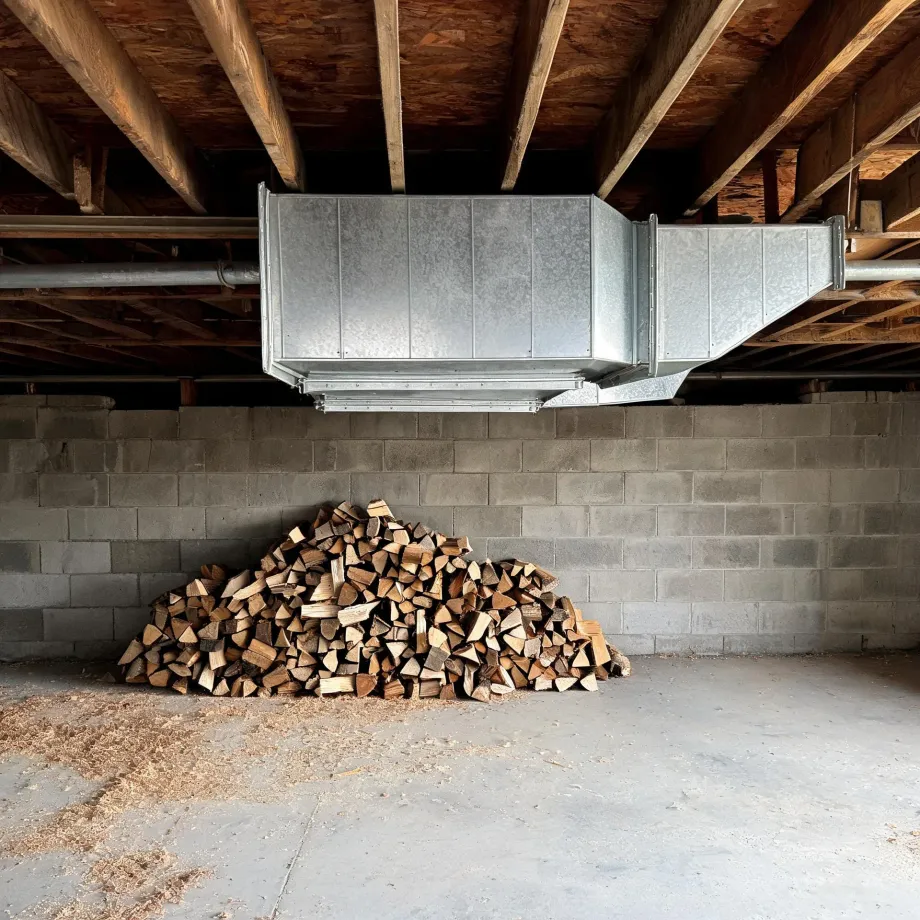
The furnace itself sits in a mechanical room, basement, or utility closet and is the heart of the system. Inside it, the heat exchanger is what a contractor looks at closely during a repair call. Cracks or failures there let combustion gases into the living space, so it is one of the first components examined.
The blower motor and its fan wheel push conditioned air out through the supply side of the system. The burners, igniter, and flame sensor work together to start and sustain a flame. When a furnace short-cycles, refuses to light, or produces no heat at all, those components are where a contractor begins.
The drawing shows a general layout of these components, and a licensed contractor determines which parts apply to the specific system and setup in your home.
Get matched in Millard CountyMillard County by the Numbers
72 severe weather events were recorded in Millard County, Utah between 2015 and 2024.
NOAA National Centers for Environmental Information, Storm Events Database, bulk CSV export, events 2015-01-01 through 2024-12-31.Half the homes in Millard County, Utah were built in 1974 or earlier (2020-2024 ACS 5-year).
U.S. Census Bureau, 2020-2024 American Community Survey 5-Year EstimatesMillard County, Utah holds 5,045 housing units (2020-2024 ACS 5-year).
U.S. Census Bureau, 2020-2024 American Community Survey 5-Year EstimatesOwners occupy 81.8% of the occupied homes in Millard County, Utah (2020-2024 ACS 5-year).
U.S. Census Bureau, 2020-2024 American Community Survey 5-Year EstimatesCodes & Standards Governing Furnace Repair in Millard County, Utah6 sourced rules and standards
What happens once a contractor comes out
Non-weatherized gas furnaces manufactured on or after November 19, 2015 must reach 80.0 percent AFUE.
Non-weatherized oil-fired furnaces manufactured on or after November 19, 2015 must reach 83.0 percent AFUE.
Mobile home gas furnaces manufactured on or after November 19, 2015 must reach 80.0 percent AFUE.
Non-weatherized gas furnaces manufactured on or after December 18, 2028 must reach 95.0 percent AFUE, up from the 80.0 percent minimum that applies to units manufactured before that date.
Licensing Rules for HVAC Work in Millard County, Utah
Utah’s contractor licence does not reach alteration, repair, remodelling or improvement of a building worth less than $7,000 in labour and materials together, counting every change and addition to the agreed work — though the plumbing and electrical trades are pulled back under licensure even below that figure.
Utah requires a state licence before engaging in a licensed construction trade or contracting activity, and HVAC contractor is one of the licence classifications the state issues.
Weather Load in Millard County
Heating equipment works harder and fails sooner when the climate swings between extremes. How often severe weather hits Millard County shapes what furnaces here endure and what repair needs follow.
72 severe weather events, 2016–2024. Source: NOAA National Centers for Environmental Information, Storm Events Database.