Tell us about the job
Takes about a minute. No obligation.
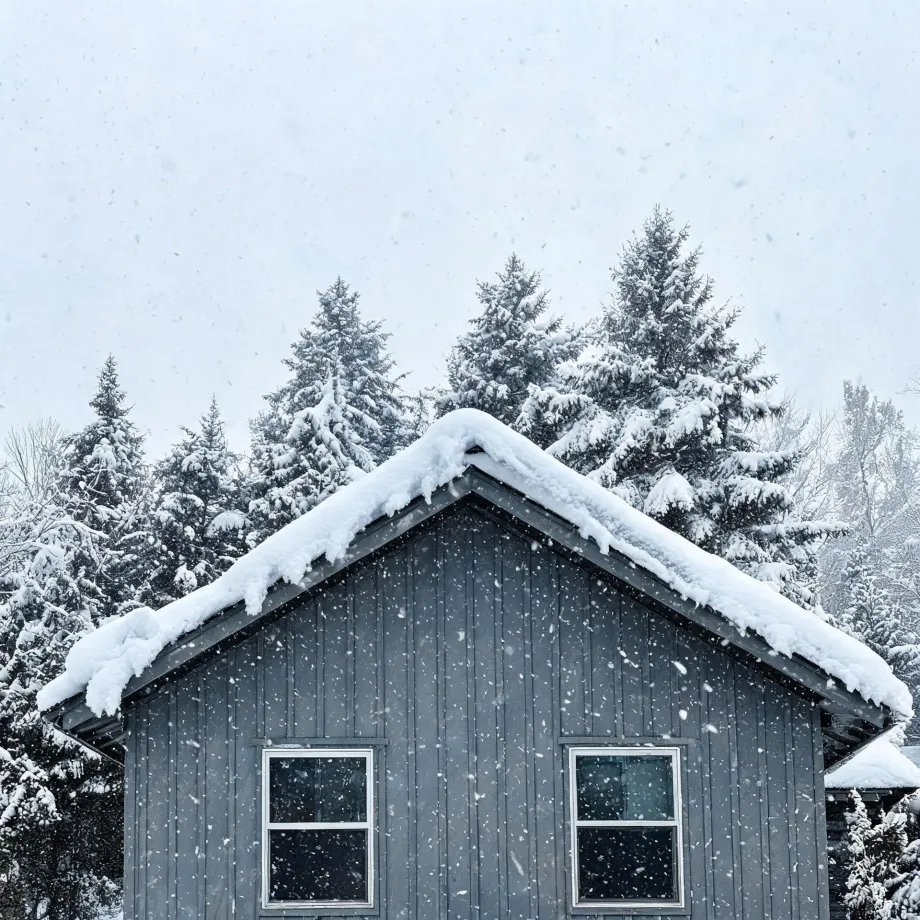
Sizing a furnace for Kane County starts with how hard the burner and heat exchanger are actually asked to work. Homes in Kane County, UT run heat about eight months a year, from October through May. A system that is too small for the load cycles more frequently to keep up, and those extra cycles accumulate on the igniter, the heat exchanger, and the limit switches faster than the calendar alone would suggest. A contractor quoting a replacement here has to establish the right output before anything else, because an undersized box installed in a short-season county can skate by on idle months that Kane County does not offer.
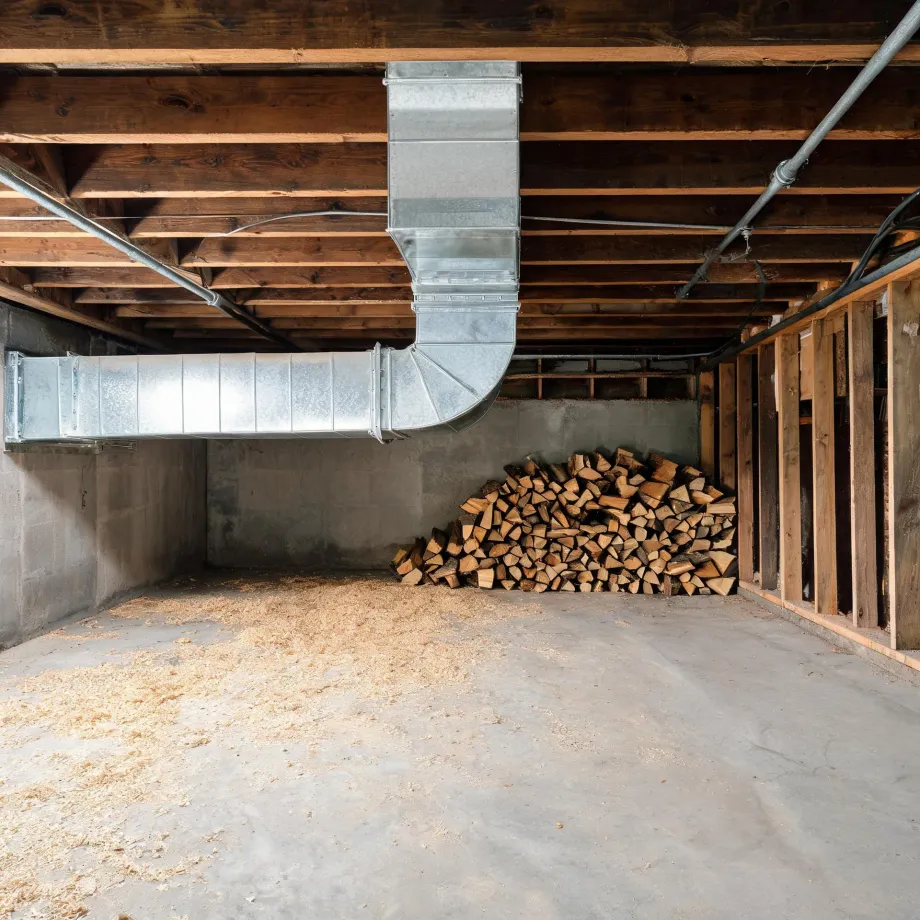
Ductwork in a house this age was built for forced-air heating from the start, and the load requirements have not drifted far enough to make the existing layout a problem. Half the homes in Kane County, Utah were built in 1994 or earlier (2020-2024 ACS 5-year). A contractor quoting a furnace swap here puts the diagnostic weight on the electrical service and the unit itself, not on whether the ducts will carry it. That changes where the money sits in the estimate.
What Gets Installed With a New Furnace
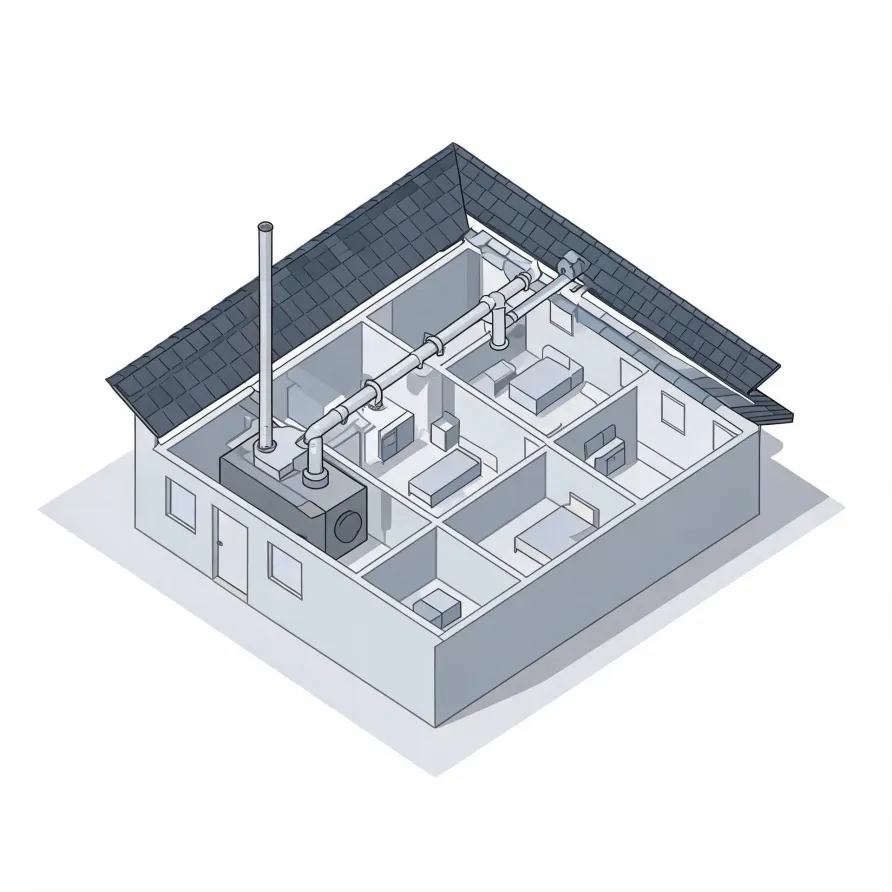
The furnace itself sits in a utility space, a basement, or a dedicated mechanical closet and is the piece that generates heat. A heat exchanger inside the cabinet transfers warmth to the air passing through, and a blower motor pushes that air into the supply side of the duct system.
The flue pipe runs from the furnace to an exterior wall or through the roof, carrying combustion gases out of the house. A gas valve and a control board sit inside the cabinet alongside the heat exchanger, with the thermostat mounted on a wall inside the living space to give the homeowner a point of control.
The drawing shows a typical layout, and a licensed contractor determines what applies to this particular house.
Get matched in Kane CountyKane County, by the numbers
60 severe weather events were recorded in Kane County, Utah between 2015 and 2024.
NOAA National Centers for Environmental Information, Storm Events Database, bulk CSV export, events 2015-01-01 through 2024-12-31.Half the homes in Kane County, Utah were built in 1994 or earlier (2020-2024 ACS 5-year).
U.S. Census Bureau, 2020-2024 American Community Survey 5-Year EstimatesKane County, Utah holds 6,422 housing units (2020-2024 ACS 5-year).
U.S. Census Bureau, 2020-2024 American Community Survey 5-Year EstimatesOwners occupy 80.4% of the occupied homes in Kane County, Utah (2020-2024 ACS 5-year).
U.S. Census Bureau, 2020-2024 American Community Survey 5-Year EstimatesFurnace Installation Rules & Standards for Kane County, Utah6 sourced codes and standards
What the Installation Actually Looks Like
Non-weatherized gas furnaces manufactured on or after November 19, 2015 must reach 80.0 percent AFUE.
Non-weatherized oil-fired furnaces manufactured on or after November 19, 2015 must reach 83.0 percent AFUE.
Mobile home gas furnaces manufactured on or after November 19, 2015 must reach 80.0 percent AFUE.
Non-weatherized gas furnaces manufactured on or after December 18, 2028 must reach 95.0 percent AFUE, up from the 80.0 percent minimum that applies to units manufactured before that date.
Licensing Rules for HVAC Work in Kane County, Utah
Utah’s contractor licence does not reach alteration, repair, remodelling or improvement of a building worth less than $7,000 in labour and materials together, counting every change and addition to the agreed work — though the plumbing and electrical trades are pulled back under licensure even below that figure.
Utah requires a state licence before engaging in a licensed construction trade or contracting activity, and HVAC contractor is one of the licence classifications the state issues.
Severe Weather in Kane County
Heating equipment in Kane County works against whatever the climate puts out, and that load shapes what gets installed, how it gets sized, and how long it holds up. Severe weather events are part of that picture.
60 severe weather events, 2015–2024. Source: NOAA National Centers for Environmental Information, Storm Events Database.