When it's just getting started
A newer furnace blowing cool air for a minute or two after startup is normal. It's pulling cold air out of the ducts before the heat exchanger warms up. Give it a few minutes before you worry.
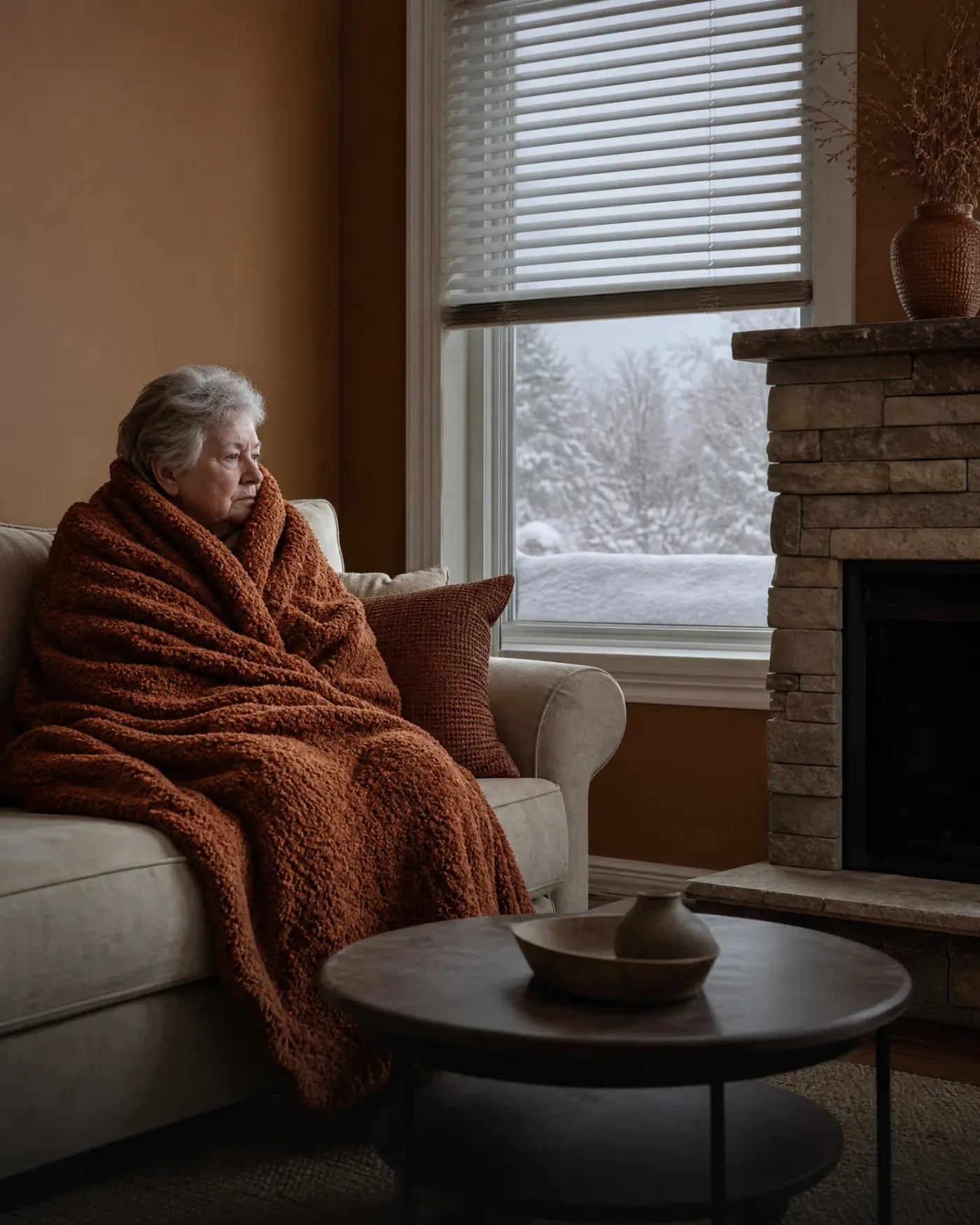
You turn the thermostat up expecting warm air, and instead the vents are pushing out cold or cool air. In a Utah winter that gets alarming fast, especially if it's happening overnight or the house is already losing heat. Before you call anyone, it helps to know whether this is a quick fix or a sign the furnace needs a repair before it can safely run again.
Most of the time this happens because the furnace is blowing air through the ducts before the burners have actually lit, or because the igniter failed and the burners never lit at all. Gas furnaces run the blower first to push air, then the flame is supposed to catch and heat it. If the igniter is cracked or the flame sensor is dirty, the blower keeps running but there's no flame behind it, so you get a steady stream of cold air instead of heat. With most Utah homes on gas furnaces and winters here cold enough that this matters right away, a furnace that won't light is worth getting looked at the same day rather than waiting to see if it sorts itself out.

A newer furnace blowing cool air for a minute or two after startup is normal. It's pulling cold air out of the ducts before the heat exchanger warms up. Give it a few minutes before you worry.

An older furnace with dust built up around the burners or a cracked heat exchanger can lose its ability to warm the air at all. If it's been years since anyone serviced it, that buildup is likely why it's struggling now.
A few minutes of cool air is nothing. What you're watching for is longer than that, or air that never warms at all while the blower keeps running. Maybe the flame won't catch and you hear clicking without ignition. Maybe the burner lights, then the blower kicks on before the heat exchanger has had a chance to warm up, and stays on after the flame goes out. You might notice the thermostat reading climbing slower than it should, or the house holding at a temperature below what you set. Left alone through a Utah winter, a furnace that can't hold a flame will leave your house cold when you need it least, and the parts causing the problem rarely fix themselves.

This is a furnace doing its job. The burners light, the heat exchanger comes up to temperature, and the blower pushes warm air through the ductwork above it. The condensate line drains off what the exchanger pulls out of the exhaust. Nothing here is working against itself.

Dust like this builds up over years, and it tells you the burners and blower haven't been serviced in a while. A furnace this old is more likely to have a cracked heat exchanger, a failing igniter, or a blower motor on its way out. Any of those can leave you with cold air instead of heat.

A gas furnace doesn't just flip on and blow warm air right away. The thermostat calls for heat, the inducer motor starts to pull air through the heat exchanger, and a pressure switch confirms that draft before the igniter even gets power. Only after the burners light and the heat exchanger has a chance to warm up does the blower kick on and start moving air through your ducts. If something interrupts that order, a cracked igniter, a stuck pressure switch, a flame sensor that can't tell the burners are lit, the blower can still run on schedule while the exchanger stays cold. That's the mismatch you're feeling at the vent.
A furnace that's been doing this for a few winters usually has a specific part behind it, not a general decline. Someone who works on these year after year in Utah has seen which part in which furnace tends to go first, and knows the order to check them in rather than swapping parts and hoping. Getting matched with a local contractor who already knows this furnace's quirks means that first visit is a diagnosis, not a guess.





A furnace that won't warm the air isn't something to keep an eye on for a few days. In a Utah winter, a dead ignition system or a cracked heat exchanger can leave a house cold fast, and some of what causes cold air, like a cracked exchanger, isn't safe to wait on anyway. Figuring out which part failed, the igniter, the gas valve, the pressure switch, takes someone who opens up furnaces like yours all winter and already knows where this model tends to fail. That's the contractor you get matched with here, someone local who works on this equipment every season, not a dispatcher sending whoever's free. One contractor gets your request, so you're dealing with a single call back instead of fielding five, and that person is licensed to do the work your furnace actually needs. You've already narrowed down what's wrong. The next step is getting someone out who can confirm it and fix it before the house gets any colder.

It's just past six and the basement is cold in the way only a November evening makes it. The furnace sits dark against the wall, not even the low hum you'd expect. You crouch by the access panel and a thin haze of dust hangs in the air where warm air should be moving it. The thermostat upstairs still reads the number you set an hour ago. Nothing's changed. You press your hand to the nearest vent and feel nothing coming through at all, not even the cool air that's been bothering you since last night. Outside it's already dropped below freezing.


Every one of those steps has to finish before the next one starts, and the blower is the last thing in line. That's why a furnace blowing cold air often has nothing wrong with the blower itself. The problem happened earlier in the sequence, and the blower is just doing what it's told with air that never got heated.
The pressure switch is where a lot of Utah furnaces stall out. It's a small device that checks whether the draft inducer actually built enough suction to vent exhaust safely. If the switch doesn't close, the control board stops right there and won't open the gas valve, no matter how long the inducer runs. You might hear the inducer motor humming away with nothing happening after it.
The flame sensor matters just as much, a few steps later. It's a thin metal rod that sits in the burner flame and proves to the control board that ignition actually happened, not just that the igniter fired. If the sensor is coated with residue or positioned wrong, the board reads it as no flame and shuts the gas valve again, sometimes within seconds of opening it.
The blower doesn't know any of this happened. On many furnaces it runs on its own timer once the thermostat calls for heat, so it can start moving air through the ducts even if the burners never lit. That's the cold air you feel at the vent, air that was never near a flame.


That's the temperature a heat exchanger reaches at the burner before the blower pushes air past it. A crack there lets exhaust mix into the air headed through your ducts.
You get matched with a local contractor who works on furnaces all winter and knows what usually fails first in a Utah system like yours.
Overnight lows average 21°F across Utah in December, January and February. At that temperature your furnace is cycling on for hours at a stretch, not just a few minutes here and there. A system already struggling to ignite or hold a flame has less room to recover before the house cools off.
NOAA nClimDiv 1991-2020 county normals weighted by homes


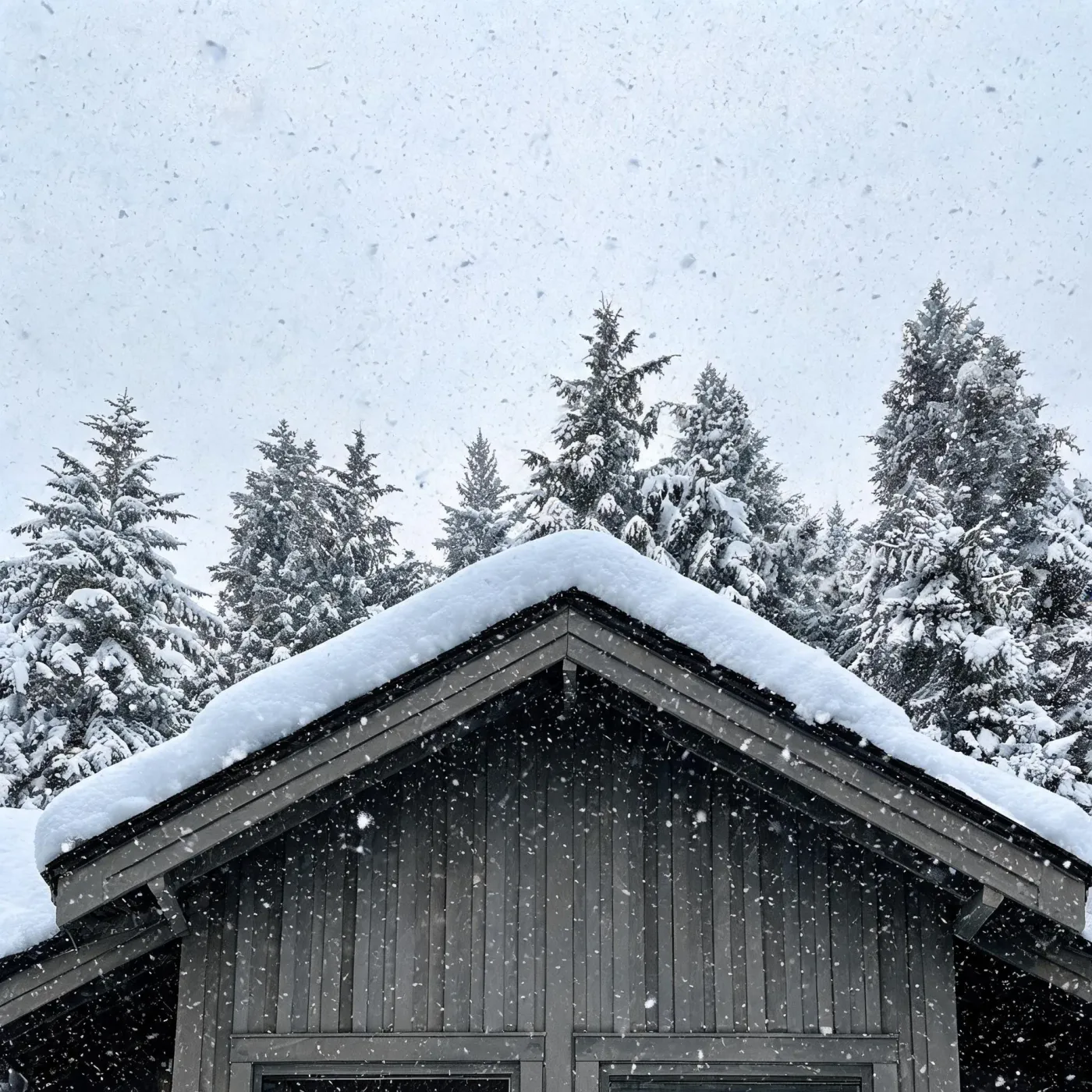
Winter nights average 21°F statewide, according to NOAA climate data. That's cold enough that your furnace isn't just kicking on now and then. It's running long stretches to keep up, and it stays running most of the night. A furnace with a weak ignition or a flame that won't hold steady has far less room to recover when it's working that hard for that long. If cold air shows up now, at 21 degrees outside, it's going to show up again tomorrow night, and the night after that.
NOAA nClimDiv 1991-2020 county normals weighted by homes
Cold air from a furnace that should be putting out heat usually comes down to ignition, airflow, or a heat exchanger that's no longer sealed the way it should be. None of those get better on their own, and a Utah winter doesn't give a furnace much room to limp along while you wait and see. You don't need to know which of those three it is before you call. A local contractor who services furnaces all winter in this climate has likely already seen the exact failure sitting behind your access panel, whether that's a cracked exchanger, a pressure switch that won't confirm draft, or a flame sensor too corroded to hold a signal. You'll be matched with one contractor, not several, so you're dealing with a single licensed pro who knows your furnace and your house, not a round of competing calls. From there, the next step is getting someone out to look at it before a cool draft turns into a house with no heat at all.





Your request goes to one pro, not a list of companies.
No charge to send it. You decide if you hire them.