



A red sandstone butte with vertical cliff faces rises above a sloping, sparsely vegetated desert hillside under a clear blue sky, with a distant mesa at left.Match me with a pro

When a furnace flame sensor needs cleaning in Utah

A local pro who services furnaces gets in touch about the tune-up.

A dirty flame sensor is one of the more common reasons a gas furnace starts short cycling or stops firing altogether. The sensor is a thin metal rod near the burner, and over a season of use it picks up a layer of carbon that keeps it from reading the flame. The furnace thinks there's no flame and shuts the gas valve to protect you. That's why a furnace that was working fine can suddenly refuse to stay lit.

Most homes in Utah run the furnace hard from October through March, and that stretch of steady use is exactly when carbon builds up on the sensor. By the time your furnace starts clicking off a few minutes after it starts, or won't catch at all, the sensor has usually had months to collect buildup. Catching it before the coldest weeks means you're not dealing with a dead furnace on a night when you need it most.

Cleaning the sensor itself is a small job, but getting to it means opening the furnace cabinet and knowing which part you're looking at. It's not something to guess at, and it's easy to mistake a flame sensor problem for an igniter or gas valve issue if you don't know what you're checking.

This page can connect you with a contractor who services furnaces in your area and knows the equipment common in Utah homes. Once you reach out, the work of finding someone stops being something you have to handle. The contractor will follow up with you directly to look at your furnace, confirm whether the sensor is the issue, and take care of it as part of a maintenance visit built around what your system actually needs.

Tell us a little about your furnace and your situation below, and let a local contractor take it from there.

How often should a furnace flame sensor be cleaned in Utah?

Your furnace has been running for months straight once the gas heat kicks on in the fall, and you're wondering if the flame sensor is something that needs attention on a schedule, or just when the furnace starts acting up. Since most homes here heat with gas and that sensor sits right in the burner flame every time the furnace runs, it's worth knowing how often it actually needs a wipe.

Once a year, before the furnace starts running for the winter

A once-a-year cleaning, done before the furnace gets heavy use, keeps the sensor reading the flame correctly through the winter. Gas furnaces here run from around October through March, and that sensor sits in the flame every time the burner fires. Over months of that, carbon builds up on the rod and it stops sensing heat the way it should, even though nothing else about the furnace has changed. A furnace that ran fine last winter can start shutting off a few seconds after ignition once that layer gets thick enough. Cleaning it once before the cold months start is usually enough to get through the season without the furnace cutting out on you.

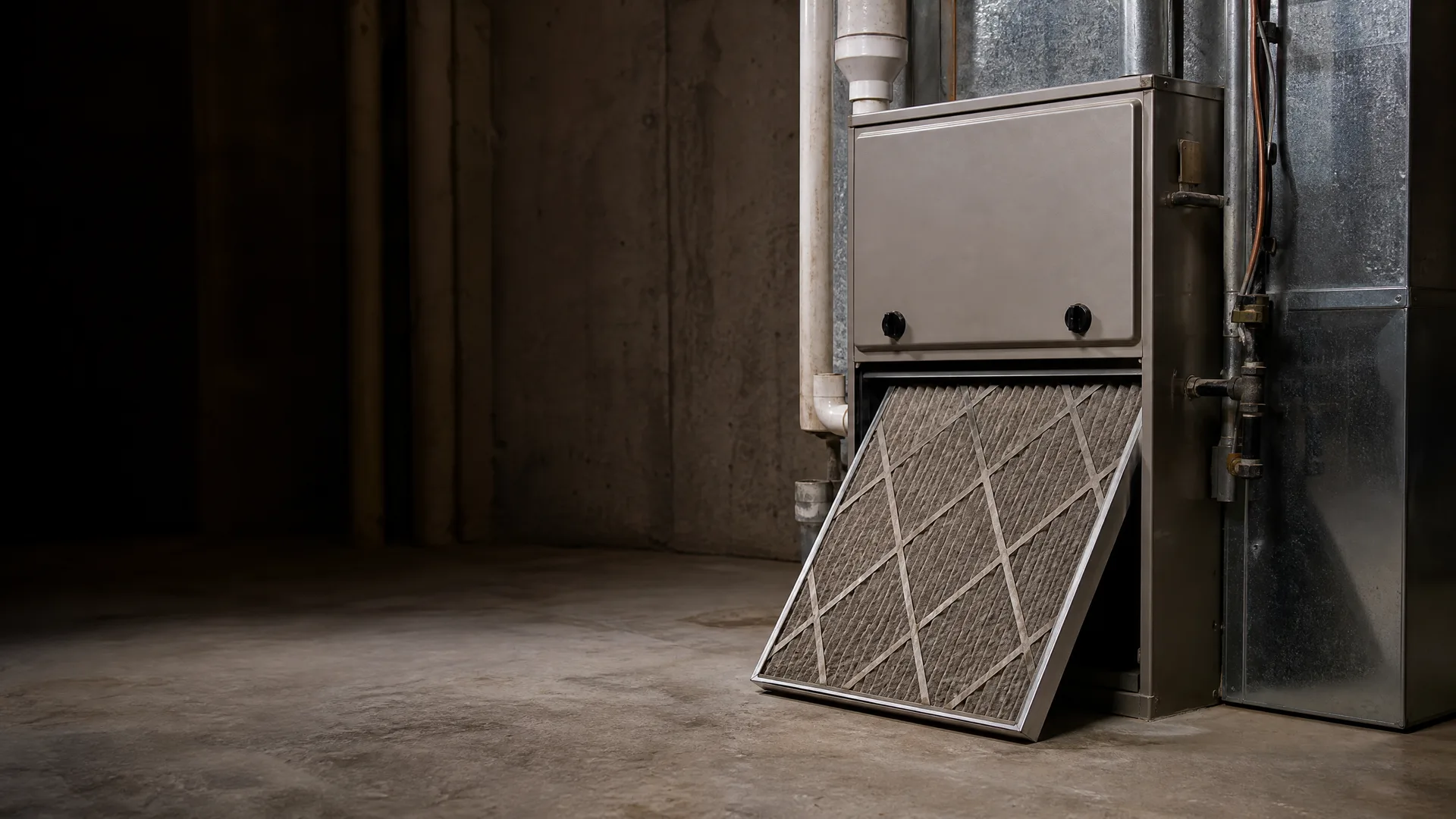
A dirty pleated air filter leans against a furnace with metal ductwork in a dim concrete basement.

You pull the filter out to check it, and that's when you notice the furnace has already shut off again. It's late October, cold enough that the heat's been running most of the day, and the basement is quiet when it should be humming. The filter in your hands is grey, thick with a season's dust. You slide it back in, flip the switch, and watch the burners catch, flare blue, then die a few seconds later. It does the same thing twice more. You crouch there in the half light, filter still not fully seated, trying to decide if this is something you can fix tonight or something you need to hand off to someone who knows the part that's failing.

A local pro for your furnace maintenance

Send the form, and lining up the furnace tune-up stops being yours to chase.

No charge to send it. You decide if you hire them.

Why carbon builds up on the rod

The flame sensor sits right in the burner flame every time the furnace fires. That flame is a chemical reaction, and it leaves behind a residue, mostly carbon, that lands on anything nearby. The sensor rod takes the brunt of it because it's positioned directly in the flame path. A thin film builds up with each cycle, and because a gas furnace in Utah might fire dozens of times a day through the winter, that film grows fast once the cold settles in and the furnace is running most of the day to keep up.

How the rod actually works

The sensor doesn't detect heat. It reads a tiny electrical current that only flows when the rod is in contact with an actual flame, confirming combustion is happening before the furnace keeps the gas valve open. Carbon doesn't conduct that current well. As the coating thickens, the signal gets weaker until the control board can't tell there's a flame at all, even though there is one. At that point the board shuts the gas valve as a safety measure, which is why a dirty sensor looks like a furnace that keeps starting and then quitting a few seconds later.

A woman wrapped in a cream textured blanket sits in an armchair beside a lit lamp and a dark window, with an open book in the foreground.
An older woman with gray hair in a bun and glasses, wearing a beige knit sweater, smiles while looking to the side in a warmly lit kitchen, with a loaf of bread on the counter in the foreground and a snowy scene outside the window.
A gray high-efficiency furnace stands on a concrete basement floor beside galvanized sheet-metal ductwork, with white PVC vent pipes, gas and water lines, and unfinished wood framing behind it.

Clean Sensor, Steady Heat

A furnace that fires and stays lit runs like this. The flame catches, the sensor reads it right away, and the burner keeps running until the thermostat's satisfied. No clicking off partway through a cycle. No cold spots because the heat quit twice before noon. This is what a clean sensor buys you all winter.


A beige furnace with two louvered front panels stands on a concrete basement floor beside galvanized ductwork, metal pipes, and a wooden post.

Carbon-Coated Sensor, Short Cycling

A furnace with a carbon-coated sensor fires, runs a few minutes, then shuts off on its own. It may try again and do the same thing, or lock out and need the switch reset. The burner itself is fine. The rod just can't tell the furnace a flame is there, so the furnace shuts down to protect itself.

A beige residential furnace stands on a concrete basement floor beside galvanized sheet-metal ductwork, a round flue pipe, copper gas piping, and a PVC condensate line, with a wood-paneled wall at right.
Before you get your furnace maintenance
A gray high-efficiency furnace in a basement with white PVC vent pipes, sheet-metal ductwork, copper and black piping, a condensate pump, and insulated walls above a concrete floor.
After you get your furnace maintenance

Clean It Yourself or Call a Contractor

Clean it yourself

  • You need the gas shut off and the sensor rod pulled out, which on most furnaces means removing one screw and sliding it free from the burner bracket.
  • A light sanding with fine steel wool or a scouring pad takes the carbon off the rod without scratching the metal underneath.
  • It costs nothing but a few minutes, and most homeowners can do it without opening up anything else on the furnace.
  • If you put the rod back in loose or misaligned, the furnace may still short cycle even after cleaning, and you won't know why.
  • You won't see the burner flame or the rest of the burner assembly while you're in there, so a cracked igniter or a dirty burner port goes unnoticed.

Have a contractor do it

  • A contractor cleans the sensor as part of a full furnace tune-up, checking the burner flame, the igniter, and the inducer at the same time.
  • They can tell from the flame's color and shape whether carbon buildup is the only problem or something else is feeding it.
  • If the rod is pitted or corroded rather than just dirty, a contractor replaces it on the spot instead of sending you back for a part.
  • A full inspection catches a cracked heat exchanger or a gas pressure issue, neither of which shows up from cleaning the sensor alone.
  • Maintenance done on a schedule, rather than only after the furnace starts acting up, cuts down on mid-winter no-heat calls.
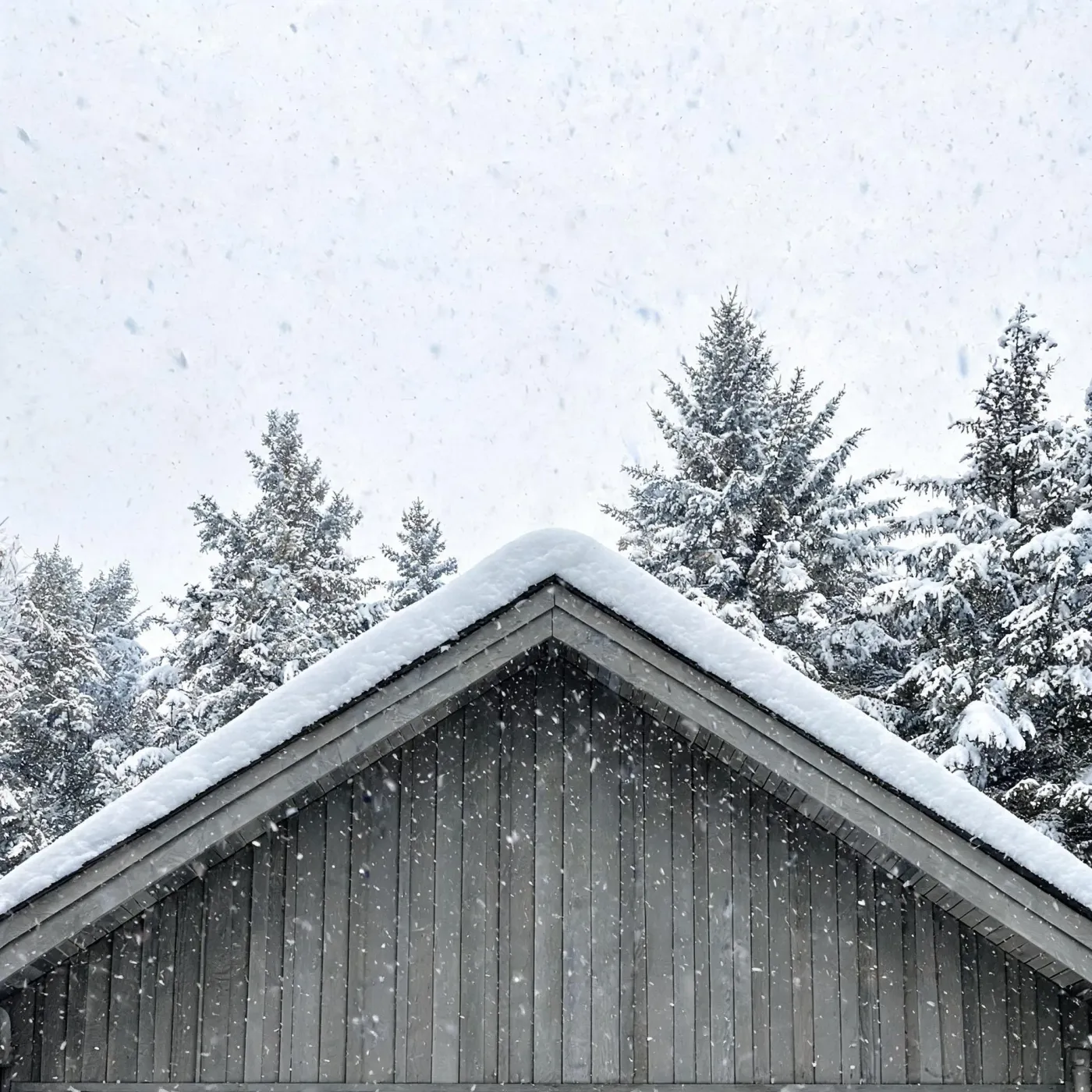
The snow-covered gable roof and vertical wood-clad upper wall of a building, with snow-laden conifers and falling snow behind it under a pale sky.

Statewide, winter nights average 21°F, according to NOAA climate data for Utah. That kind of cold keeps a gas furnace running long stretches without a break, often firing for most of the night to hold the house steady. Every one of those cycles passes carbon onto the flame sensor. A sensor that might go unnoticed for a season somewhere milder gets tested hard here, because the furnace simply runs more hours to keep up. By the time you notice short cycling or a furnace that won't stay lit, the sensor's likely coated enough to need cleaning rather than waiting it out.

NOAA nClimDiv 1991-2020 county normals weighted by homes

A gray-haired, bearded man in a dark coat dusted with snow stands smiling in a dimly lit room with a lamp, mirror, framed art, and a sofa in the background.
An older man with white hair and a beard, wearing a dark snow-dusted coat and scarf, stands in a warmly lit interior hallway with a framed landscape picture, a table lamp and a potted plant behind him, and a snowy view through a window at left.
An older man in a dark snow-flecked overcoat and scarf stands smiling in a warmly lit home entryway, with a glass-paned door showing darkness outside and a lamp-lit room visible through a doorway behind him.
An older man with gray hair and a beard, wearing a dark snow-dusted jacket and scarf, stands smiling in a warmly lit interior hallway with a lit table lamp, a vase of dried branches, and a framed picture in the background.

Winter nights average 21°F statewide

At 21°F, your furnace isn't cycling off and on, it's running long stretches to hold the house steady overnight. Each of those long burns passes more carbon onto the flame sensor, so the rod builds up grime faster than it would in a milder climate.

NOAA nClimDiv 1991-2020 county normals weighted by homes

A furnace that keeps shutting off mid cycle usually comes down to that one carbon-coated rod, and clearing it is routine maintenance, not a repair. You've seen why the buildup happens faster here, with the furnace running long stretches on cold nights, and you've seen what the sensor looks like clean versus coated. If yours is misreading the flame, the fix is the same either way: get the rod clean or get it checked by someone who can. Once you send the form, you're done hunting for who to call. A contractor who covers your part of Utah gets your information and reaches out, and from there it's off your plate. No more listening for the furnace to cut out partway through a cycle, no more guessing whether tonight's the night it won't relight. That's the part you can stop carrying.

A dark gray high-efficiency furnace with two white vent pipes and connected sheet-metal ductwork stands in an unfinished basement with concrete walls, a support pole, and a small window.

Get the right pro for your furnace

Step 1 of 3: Equipment