
What temperature to set the heat in a Utah winter
Most homes in Utah do well with the thermostat around 68 to 70 degrees during the day in winter, and a few degrees lower overnight, around 62 to 65. Utah winters bring long stretches of cold, dry air, and a furnace set too high just runs longer without making the house feel noticeably warmer, since dry air holds heat close to the body less than humid air does. Setting it lower at night doesn't strain the furnace. It cycles on when it needs to, same as always. What matters more than the exact number is whether your furnace reaches it without running constantly or shutting off too soon. If it's struggling to hold 68 on an average cold day, or running long cycles to get there, that's worth having looked at before the coldest part of winter sets in.
Winter nights average 21°F statewide
That 21°F overnight low is a statewide average, so your furnace is working against cold like that most nights from December through February. Dropping the thermostat to 62 to 65 overnight still keeps the house well above outdoor temperature, without asking the furnace to fight the full swing back up each morning.
NOAA nClimDiv 1991-2020 county normals weighted by homes




Day Setting vs. Night Setting
Daytime, 68 to 70
- Keeps rooms warm enough to sit still in without reaching for a blanket.
- The furnace cycles on and off instead of running long stretches to chase a higher number.
- Floors near exterior walls stay close to the set temperature since the gap to outdoor air is smaller.
- Gas burns steadily at this range rather than in the longer runs a higher setting demands.
- Works for most households without someone adjusting the thermostat through the day.
Overnight, 62 to 65
- The furnace still runs, just less, since the house holds heat for a while after it cuts off.
- A closed bedroom door keeps that room a couple degrees warmer than the hallway reading.
- Pipes along exterior walls stay safe at this range in a typical Utah winter night.
- Blankets make up the difference between 65 and the daytime 68 without the furnace working for it.
- The jump back to 68 in the morning is small enough that the furnace catches up fast.
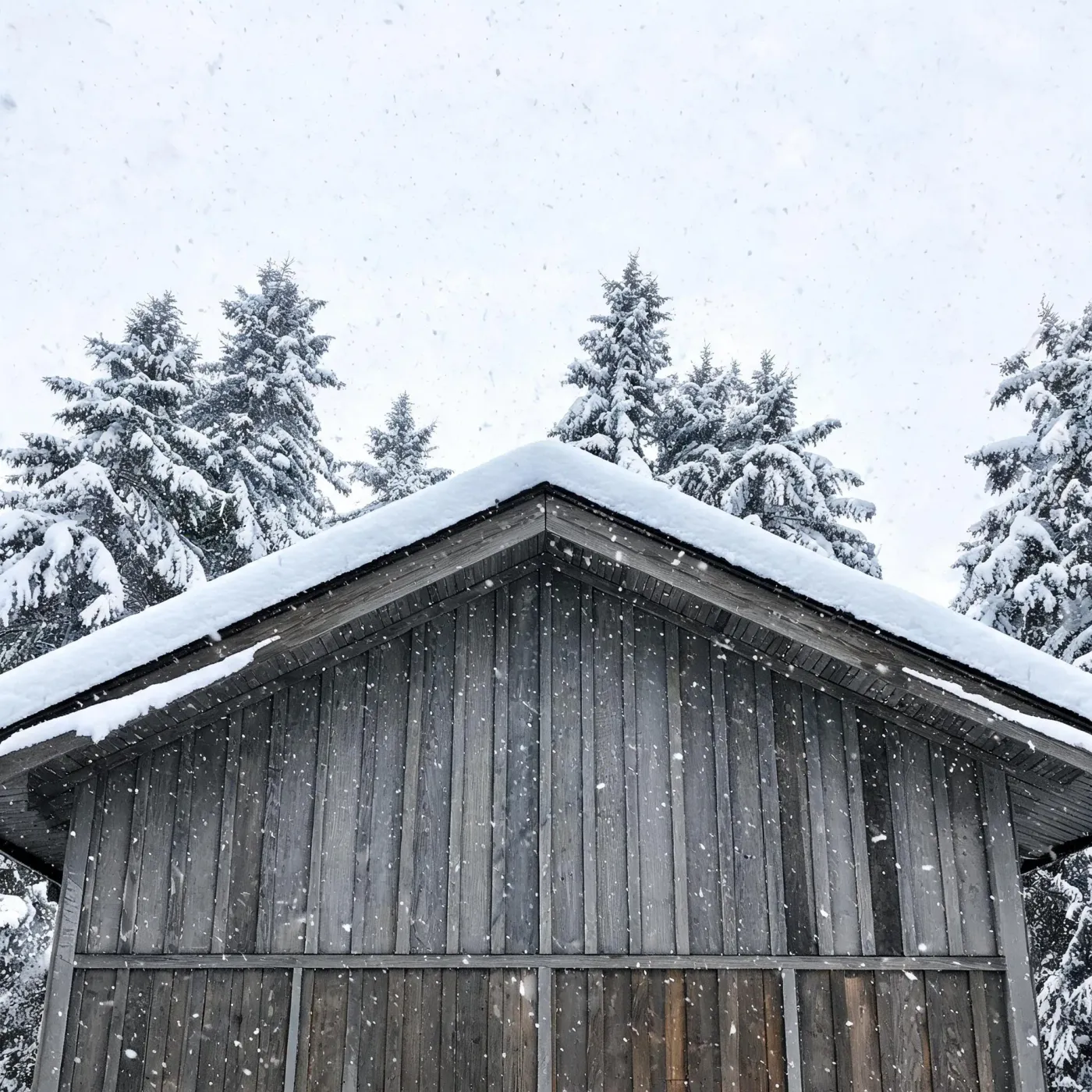
Statewide, winter nights average 21°F, and that gap between outside and whatever the thermostat is set to is what the furnace spends the night closing. At 62 to 65 overnight, the burner still has to cycle through the coldest hours, but it isn't fighting to hold the house ten degrees higher on top of that. Set the thermostat too low and you'll notice it at the register: air that feels cool rather than warm when the furnace kicks on, because it's working to catch up instead of holding steady. A furnace that's been checked over before the cold sets in handles nights like these without that lag.
NOAA nClimDiv 1991-2020 county normals weighted by homes


Why does my furnace short cycle if I set the heat too high?
You notice your furnace kicks on, runs for a few minutes, shuts off, then starts again not long after, especially since you nudged the thermostat up past 70. It never seems to settle into a long, steady run like it used to. You want to know if that's actually tied to the temperature you picked, or if something else is going on.
A high setpoint makes the burner reach its limit switch too fast
Inside your furnace is a limit switch that shuts the burner off if the air coming off the heat exchanger gets too hot. Set the thermostat high, and the furnace calls for a big jump in temperature, so the burner fires hard and the air near the exchanger heats up fast, tripping that switch before the blower has run long enough to spread heat through the house. It shuts off, cools back down, and fires again a few minutes later. At 68 to 70, the furnace isn't being asked to close as wide a gap, so it runs a normal cycle and shuts off on its own timing instead of the limit switch cutting it short.

What a high setting does overnight
Push the thermostat to 72 or higher and the furnace runs longer stretches to hold it there, especially once temperatures drop into the teens. You'll notice the blower running more than it shuts off, and rooms over the garage or above an unheated crawlspace still feel cooler than the thermostat reading. The furnace isn't failing. It's just being asked to close a wider gap, over and over, all night long.

What it costs you in the burner
A furnace that cycles longer and more often wears its igniter and burner assembly faster than one that's allowed to rest between calls for heat. Over a winter, that difference shows up as more frequent repairs or a shorter life on the unit. Keeping the daytime setting at 68 to 70 and letting it drop overnight gives the furnace real recovery time between cycles, which is part of what routine maintenance checks for before the cold sets in.
Why does one room feel cold and another feel fine
Set the thermostat at 68 and the room with the thermostat hits 68, but a bedroom over the garage or at the end of a long duct run can sit several degrees under that all winter. You'll notice it as a cold floor, a door you keep closed, or a kid who wants an extra blanket every night from December through February. That gap isn't the thermostat number, it's distance from the furnace and how much the duct run loses along the way. Raising the setpoint to chase that one room just overheats the rest of the house and runs the furnace longer than it needs to, without ever quite fixing the cold spot. If one or two rooms are consistently off from what the thermostat reads, that's worth having someone look at rather than solving with degrees.


A local pro for your furnace maintenance
A thermostat setting only holds if the furnace behind it is doing its job. A unit that's lost efficiency over a few winters will struggle to hold 68 to 70 no matter where you set the dial, and you end up nudging it higher to compensate, which is how a house ends up overpaying for comfort it isn't even getting evenly. The short cycling, the cold room over the garage, the burner running longer than it should overnight through those 21°F nights, all of that gets harder to tell apart from a setting problem versus a furnace that needs a look. Maintenance is what sorts that out. A contractor checking the system now, before the coldest stretch of a Utah winter sets in, can tell you whether the numbers above are actually achievable in your house as it stands. That's worth knowing before you spend the season guessing at the thermostat.
How your furnace actually cycles
- A furnace fires its burner, runs the blower to push heated air through the ducts, then shuts off once a sensor near the heat exchanger reads the set temperature.
- The flame sensor is what tells the furnace to keep running or shut down, and a dirty one can cause short cycling even at a reasonable setting.
- Warm air rises, so a thermostat reading 68 on the wall can mean a room above the garage or at the far end of a duct run sits several degrees cooler.
- The igniter has to light the burner every single cycle, and more cycles from a too-high setting means more wear on that one part.
- A furnace moves air through the same ducts whether it runs five minutes or fifty, so longer run times wear the blower motor and bearings faster than short, steady ones.
- Static pressure builds in the ductwork every time the blower kicks on, and a system cycling more often than it needs to pushes against that pressure more over a winter.
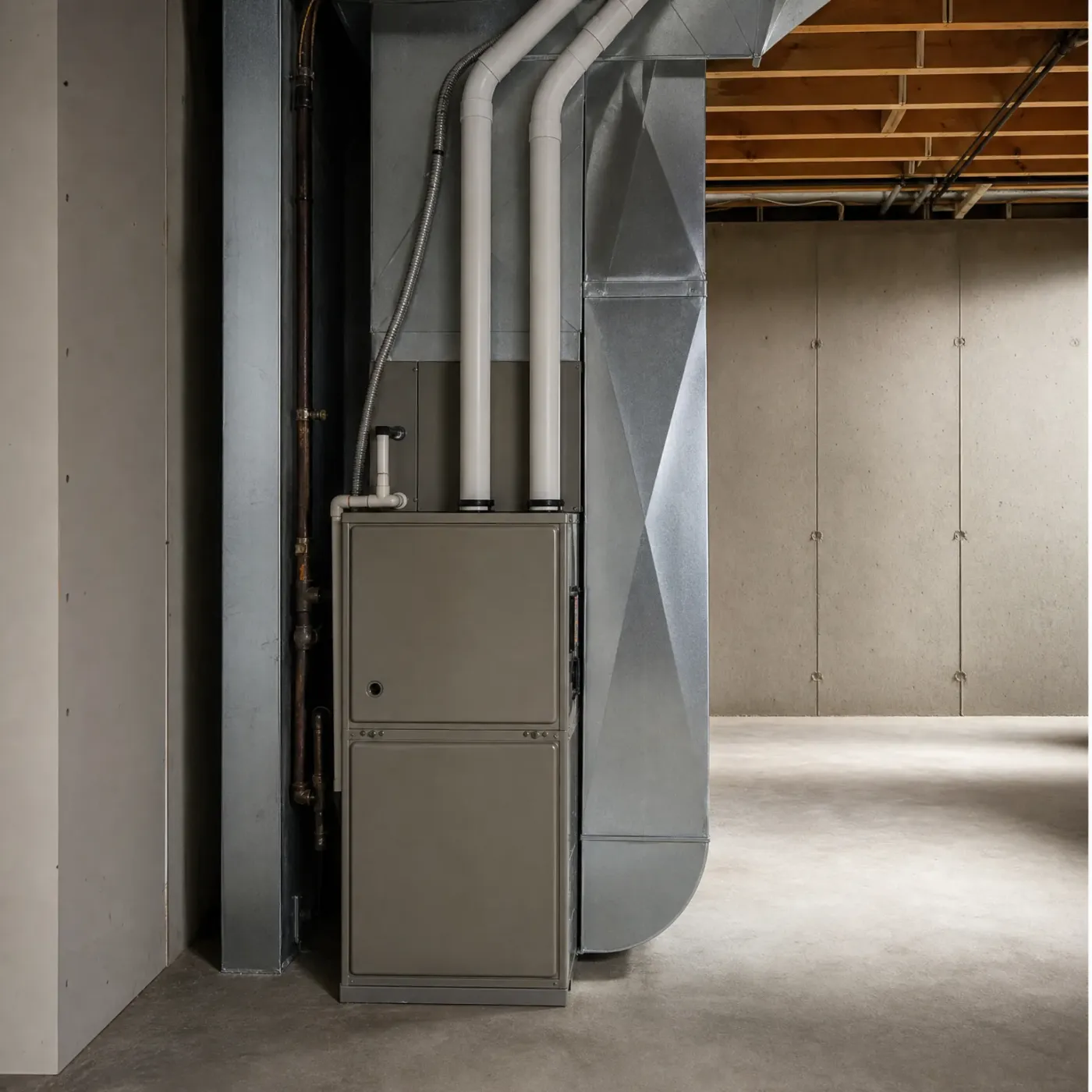
A furnace doesn't just blow warm air until the house feels right. The burner fires, the blower pushes that heated air through the ducts, and a sensor near the heat exchanger reads the temperature and tells the system when to shut off. Every one of those start-ups depends on the igniter, which has to light the burner clean each time. Set the thermostat higher than it needs to be and you're asking for more of those cycles over a winter, which means more wear on the igniter specifically, not the system in general.
The flame sensor plays a different role. It's what keeps the furnace running once it's lit, and it's also what shuts things down if it reads dirty or fouled, which shows up as short cycling even when the thermostat setting is reasonable. If your furnace seems to kick on and off fast no matter where you set it, that part is worth a look before you touch the dial again.
None of this explains why one room runs cold while the thermostat reads 68. Warm air rises, so a room above the garage or at the end of a long duct run can sit several degrees under whatever the wall unit reads, no matter how the furnace is cycling. And every time the blower kicks on, it's pushing against static pressure in the ductwork. A system that cycles more than it needs to is working against that pressure more often, which adds up across a winter the same way longer run times wear down a blower motor and its bearings.



You're down in the basement on a Saturday afternoon in October, getting the furnace ready before the cold sets in. You slide the filter out to check it and it stops you for a second, gray and matted with dust, the pleats barely visible underneath. Outside it's still mild, that stretch before Utah's nights turn toward freezing, but you know what's coming. You hold the filter up to the light from the small basement window and can't see through it at all. The furnace sits there quiet, waiting for you to decide whether to put the old one back in or drive out for a new one before the first cold night asks it to work.

68 to 70 by day, 62 to 65 at night, holds up all winter
That's the range that works in Utah, and the number matters less than whether the furnace can hold it without strain on the coldest nights. A furnace that's been checked this year will sit at that setting through December, January and February without running long and without the blower sounding like it's working harder than it used to.
If yours is already struggling to hold 68, or you haven't had anyone look at it this season, that's worth sorting out before the cold settles in for good. A local contractor can look at your furnace specifically and tell you what it needs, and once you put in a request, that part isn't on you anymore. You'll hear from someone who knows the system in front of them, not a guess about furnaces in general.

Get the right pro for your furnace
After you send the request, you're done searching.
You're not committing to anything by asking.