
Signs of a cracked heat exchanger in Utah

Step 1 of 3: Equipment

A cracked heat exchanger shows up as a few things at once. You might smell exhaust fumes, a smell like formaldehyde, when the furnace is running. Soot around the furnace or a strange odor only when the blower kicks on are both signs. Some homeowners notice headaches, nausea, or feeling worse at home than away from it, which can point to carbon monoxide. You might also hear a clicking sound after the blower shuts off, as the metal cools and shifts. The crack forms from years of heating and cooling cycles stressing the same seam in the metal. It matters because the exchanger is what keeps combustion gas separate from the air moving through your ducts and into your rooms. Once it cracks, that separation isn't reliable anymore. A furnace with a cracked exchanger needs a technician to confirm it, usually with a combustion analyzer or a camera, before the furnace runs again.

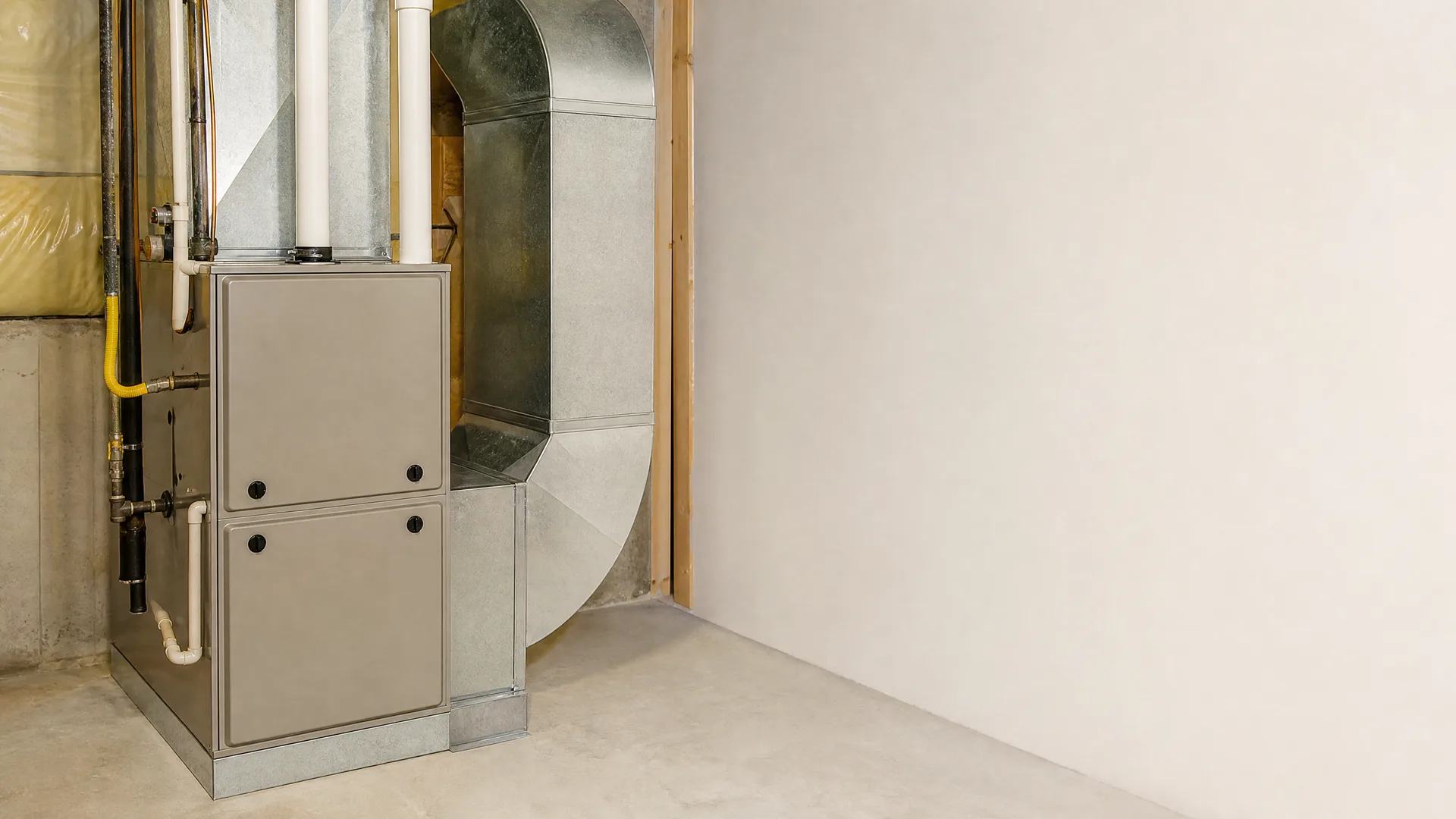
A gas furnace with sheet-metal ductwork, PVC vent pipes and copper and black piping stands against a wall in a basement with a bare light-colored wall and concrete floor.

Why the crack matters at all

A furnace burns gas inside the heat exchanger and that metal wall is what keeps exhaust separate from the air moving through your ducts. Heat makes the metal expand and contract every time the furnace cycles on and off. Over years of that flexing, a seam can split. Once it does, the blower can pull exhaust gas into the air headed for your living room instead of sending it out the flue.

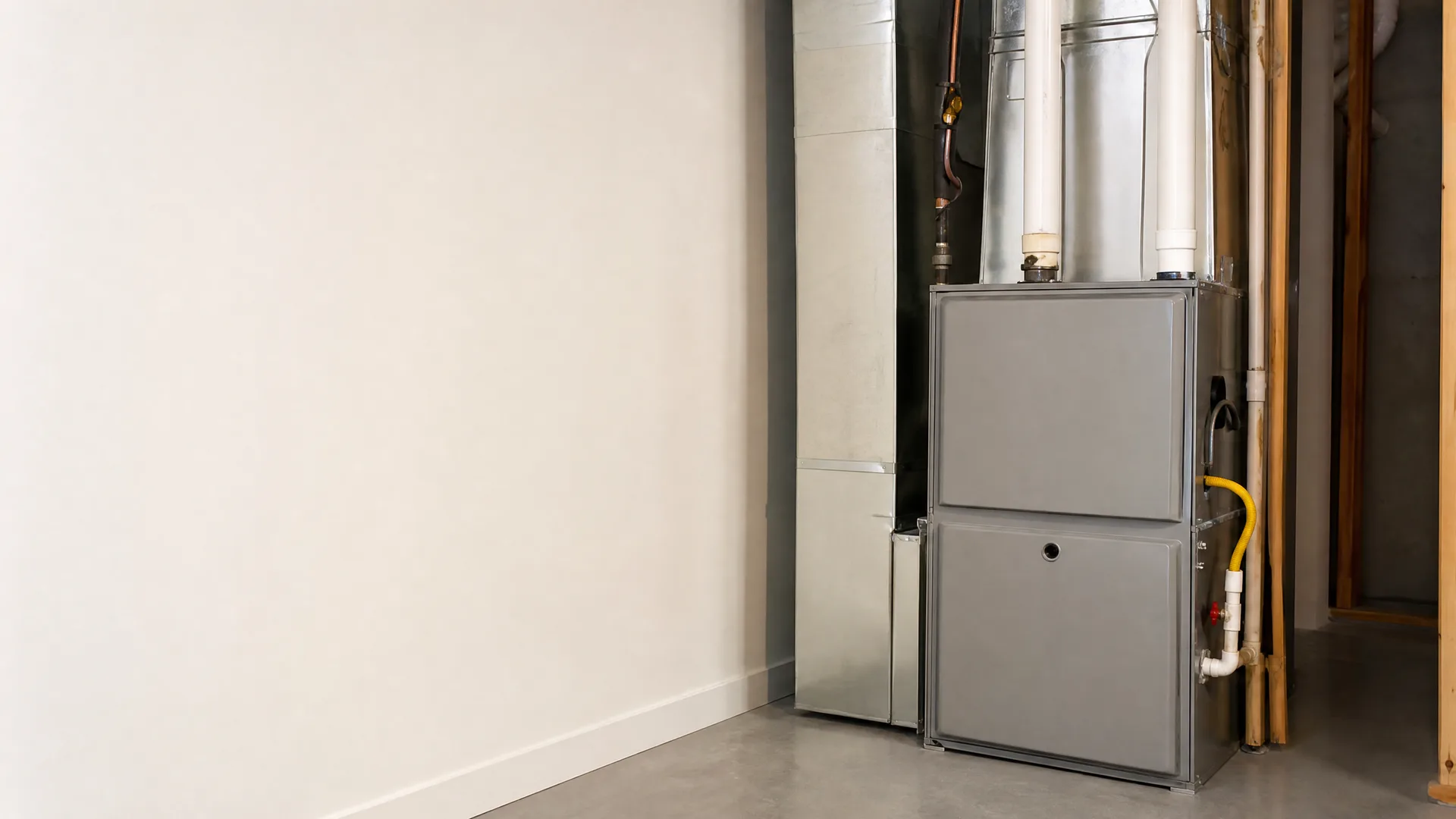
A gray furnace with attached sheet-metal ductwork, white PVC vent pipes, copper and yellow gas lines stands against a wall in a room with a plain white wall and concrete floor.

Why a technician checks carefully

A crack in a heat exchanger is often on the inside of a bend or behind a burner, where you cannot see it without pulling the furnace apart. A technician checks with a camera run through the exchanger, combustion analyzers that read what is coming out of the flue, and sometimes a smoke test to watch for exhaust escaping where it shouldn't. Finding it right the first time means your furnace doesn't get reassembled with the real problem still inside it.

Why does the air smell different when the furnace runs

Walk through the house while the furnace is on and pay attention to what you smell. A sharp, sour smell near a vent, or that formaldehyde-like odor the section above mentioned, usually only shows up once the blower has been running a few minutes, not right when the furnace starts. You might also notice the flame looks different than usual, flickering or leaning to one side instead of burning steady, or soot streaking the front of the furnace cabinet. Headaches or nausea that show up when you're home and ease off when you leave are worth paying attention to too. None of these are things to live with until the next heating bill comes. Carbon monoxide from a cracked heat exchanger can reach the air your household breathes, and that's not something to wait out.

A gray high-efficiency furnace with white PVC vent pipes stands beside galvanized sheet-metal ductwork in a basement with a concrete floor, with a wooden staircase and railing at left.

The furnace running the way it should

No smell when the blower kicks on. No soot on the cabinet or the floor around it. The flame through the viewing port burns steady and blue, not yellow or flickering. It cycles on, heats the air moving through the ducts, and shuts off without anyone in the house noticing.


An older gas furnace with louvered panels sits on a concrete pad in a basement, connected to sheet-metal ductwork and PVC and metal pipes, with a water heater and wooden stair framing in the background.

The furnace with a cracked exchanger

A smell shows up only when the blower runs, then fades once it shuts off. You might see soot near the cabinet or notice the flame shifting shape as the furnace cycles. A furnace in this state needs a qualified look before it runs again.

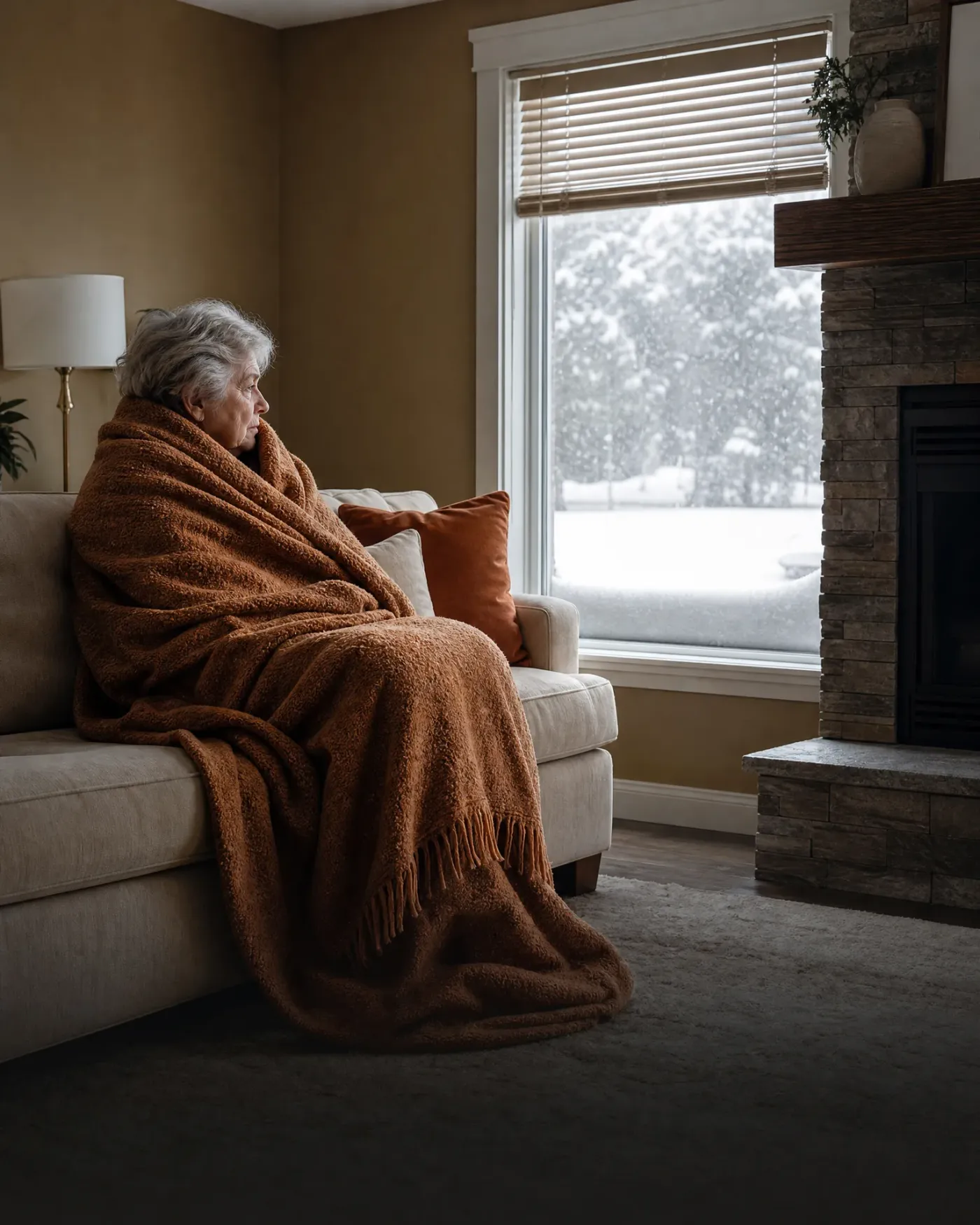
Can a cracked heat exchanger make the furnace trip the carbon monoxide alarm?

Your carbon monoxide alarm went off while the furnace was running, or it's happened more than once this winter, and you're trying to figure out if the furnace is the reason. A cracked heat exchanger is one of the few things in the house that can put real carbon monoxide into the air you breathe, so this is worth taking seriously rather than resetting the alarm and moving on.

Yes, and it should not be ignored or reset without a inspection

A crack in the heat exchanger lets exhaust gas mix into the air your blower pushes through the ducts, and carbon monoxide is part of that exhaust. If your detector is sounding anywhere near the furnace's run cycle, the crack is a real possibility, not a false alarm. Gas furnaces are common in Utah homes, and most alarms are placed close enough to a bedroom or hallway vent to catch this when it happens. Do not shut the alarm off and wait to see if it happens again. Turn the furnace off, let the house air out, and have someone licensed check the heat exchanger itself before it runs again. A technician can test combustion gas levels and look at the exchanger directly, which tells you far more than the alarm alone.

A gray-haired man in a dark sweater sits on a light gray sofa in a living room, looking toward a sunlit window with trees outside.
A gray-haired man in a dark blue sweater sits on a light gray sofa in a sunlit living room, looking off to the side, with a potted plant, shelving unit, and large glass doors behind him.
A bearded man with graying hair in a dark green sweater sits on a sofa in a living room, looking off to the side, with a sliding glass door and a dim kitchen doorway behind him.
A gray-haired man in a dark knit sweater sits on a light gray sofa in a living room, looking toward a sunlit window, with houseplants, a lamp, and framed art in the background.

One form, no calling around

A cracked heat exchanger isn't something to sit on while you get quotes. If you're seeing any of the signs above, you want someone qualified looking at that furnace, and finding that person is usually its own job. You'd be calling around Utah for a furnace tech, explaining what you smelled or what the carbon monoxide alarm did, maybe doing it again with the next company because the first one couldn't get to you, then weighing a few quotes against each other without really knowing what separates them. That's the part this page takes off your plate. Your request goes to one licensed contractor working in your area, someone who deals with Utah furnaces all winter and knows what a cracked exchanger usually looks like by the time someone calls. Not five companies competing for the job, one who can actually look at what's running in your house, with gas heat, right now, while that smell or that alarm is still fresh in your mind.

You keep running the furnace while you watch for another sign, since the smell comes and goes and nothing's obviously wrong yet. A technician who checks this furnace every winter can often tell from the flame and the cycle alone whether the exchanger needs a closer look.

Waiting means the crack doesn't get smaller. Each heating season adds more cycles of that metal expanding and cracking further, so the furnace you put off having checked this year is the one that fails or trips the carbon monoxide alarm next winter.

An older gas furnace with a louvered front panel stands on a concrete basement floor beside galvanized sheet-metal ductwork, a metal flue pipe, gas piping and a flexible conduit along a concrete wall.
Before you get your furnace repair
A gray furnace with sheet-metal ductwork, PVC vent pipes and a yellow gas line stands on a concrete basement floor beside wooden stair framing.
After you get your furnace repair
A gray high-efficiency furnace in a basement with PVC venting pipes, a yellow gas line, metal ductwork, concrete walls and floor, and a wood-framed stairway at left.

Furnace running clean

This is what a healthy cabinet looks like. The flue pipes and gas line are tight, the plenum is sealed, and there's no soot or staining anywhere on the metal. A furnace in this shape runs quiet, cycles normally, and doesn't leave a smell anywhere in the house.

A beige furnace with a louvered front panel and metal ductwork stands on a concrete basement floor beside pipes and a white cylindrical water heater.

Furnace under strain

An older furnace like this one has had a lot more cycles to crack a heat exchanger, especially if the ductwork or gas line looks original. Watch for staining near the louvered vents or on the cabinet itself. That's often the first visible sign something inside is failing.

Winter nights average 21°F statewide

With nights near 21°F in December and January, your furnace is running long stretches, often through the night without a break. That's a lot of cycles on a cracked exchanger, and more chances for exhaust to reach the air your ducts carry.

NOAA nClimDiv 1991-2020 county normals weighted by homes

A middle-aged woman with shoulder-length dark hair, wearing a gray cardigan over a cream top, sits in an upholstered armchair and looks toward a sunlit window, with a shelf holding framed pictures and a plant behind her.
A woman with her hair in a bun holds a sleeping young child against her chest, both wrapped in a textured beige knit blanket on a sofa in a dimly lit room with a lamp, framed picture, and bookshelf behind them.
A closed dark laptop and a ceramic mug of coffee on a wooden dining table, with wooden chairs, a dark kitchen cabinet with cutting boards and a potted plant, and a leafy plant by a window in the background.

What it comes down to

A cracked heat exchanger doesn't announce itself with one clear sign. It's the smell near a vent, soot on the cabinet, a flame that won't stay blue, or the carbon monoxide alarm going off more than once. Any one of those on its own is worth a look. Two or three together mean you need a furnace technician in the house, not another week of watching and waiting.

Finding that technician is the part you can skip. Instead of searching around Utah, calling a handful of companies, and explaining the same smell and the same flame three separate times, you put in the details once. The request goes to one licensed local contractor who works on furnaces like yours every winter, and you wait on one call back instead of sorting through several.

Interior corner of a dining room with a round wooden table, a ceramic vase holding olive branches, a dark spindle-back chair near a curtained window, and a sideboard with a lamp against beige walls.
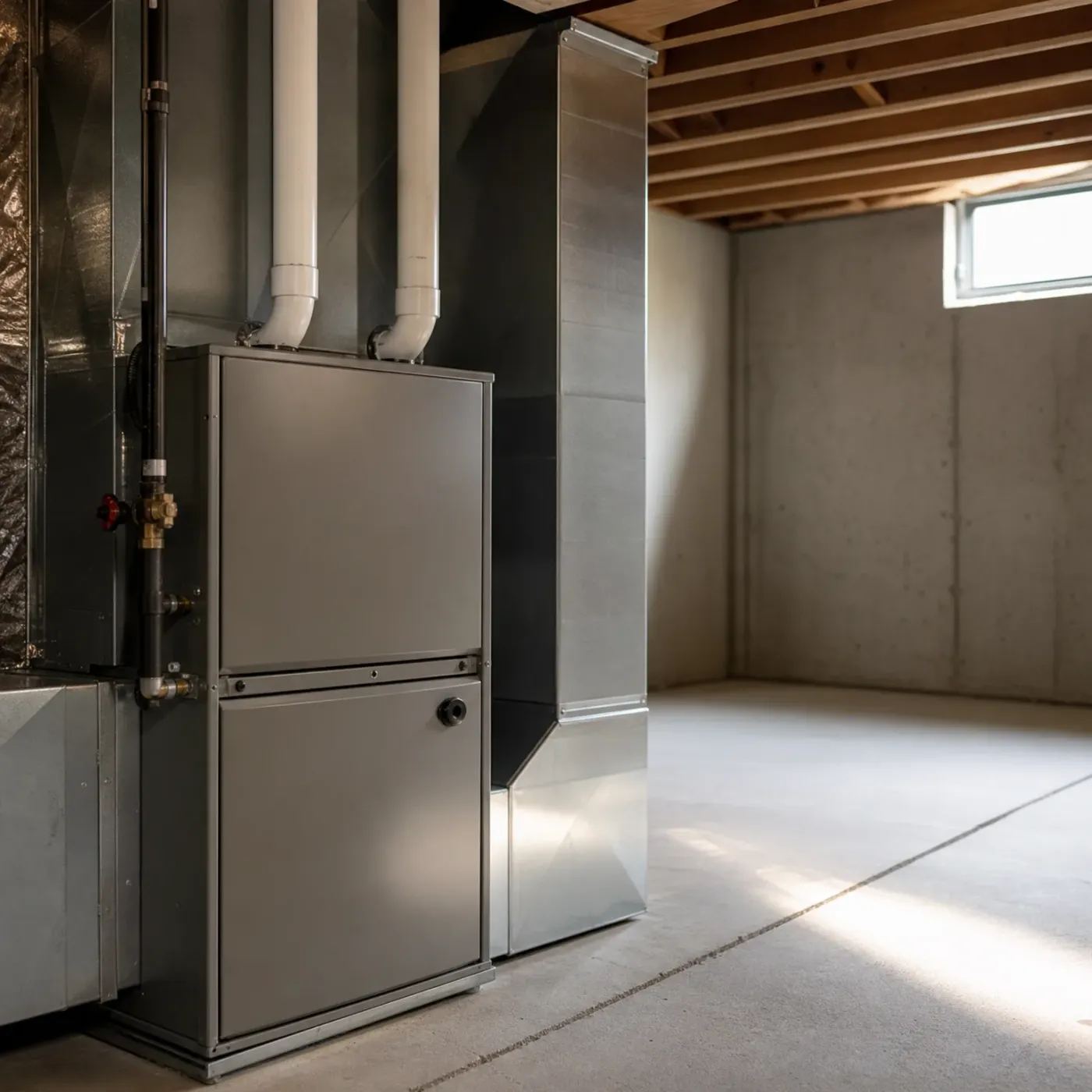
A gray furnace with PVC vent pipes and sheet-metal ductwork stands against a wall in an unfinished basement with concrete floor and walls, exposed wood joists, and a small window.

Skip the search

Describe it once

The pro who reaches out is licensed in Utah.

It costs nothing to send, and you don't have to hire anyone.