A gray high-efficiency furnace with two white PVC vent pipes stands beside galvanized sheet-metal ductwork in a dim basement with exposed joists and a concrete floor.

Stop chasing a furnace pro

Repair or replace an aging furnace in Utah

An old gas furnace can mean rising bills, a cold morning, or a repair bill that makes you wonder if it's worth fixing at all. This page walks through how to tell whether yours is worth repairing or ready to go, so you're not guessing. Send the form and skip the back and forth of finding a Utah contractor yourself.

Hand off my installation

A gas furnace past 15 years usually costs you more to keep than to replace. The heat exchanger weakens with age, the burners cycle more to hold the same temperature, and parts that once lasted a winter start failing every year. In Utah, where most homes run on gas and that furnace carries the whole house from October through March, a breakdown in January is not a small inconvenience. If a repair quote is running close to half what a new system would cost, or the furnace has needed a service call two winters in a row, replacing it is usually the better move. A furnace still under ten years old with one isolated problem is a different case, and repair makes sense there. The right call depends on the age, the repair cost, and how the furnace has been running, not on a guess.

A beige high-efficiency furnace stands on a concrete basement floor beside sheet-metal ductwork, with white PVC vent pipes, flexible conduit and copper and steel piping running up a concrete wall to an electrical box.

Still doing its job

A furnace running right heats evenly and shuts off when it should. The burners light on the first try, the blower moves air without rattling, and the flue pipes overhead stay dry. If yours looks and sounds like this, a repair can still make sense.

An older gas furnace with a louvered front panel stands on a concrete basement floor beside large sheet-metal ductwork, a metal flue pipe, copper piping and wood framing.

Starting to fail

Dust collecting around the base, a flue pipe that's rusted or loose, gas lines that look dated. An older furnace like this one is working harder to do the same job. Once the heat exchanger goes, replacement is the only option left.

Repair the Furnace or Replace It

Repair

  • A cracked ignitor, a bad flame sensor, or a failed inducer motor are single parts a contractor can swap without touching the rest of the furnace.
  • If the furnace is under 10 years old, the cabinet and heat exchanger are usually sound enough that one repair buys several more winters.
  • A repair gets heat back fast, which matters when a cold snap hits and you need the furnace running again, not out of the house for days.
  • Some parts are still under manufacturer warranty depending on when the furnace was installed, which can cut what you owe out of pocket.
  • If this is the first breakdown in years, it may just be bad luck with one part rather than the furnace wearing out.

Replace

  • A cracked heat exchanger is not a part worth repairing. It's a safety issue, and a new furnace is the only real fix.
  • If the furnace has needed a repair call every winter for the last few years, each one is a sign the whole unit is wearing out at once, not just one part.
  • A new furnace carries its own warranty on the heat exchanger and parts, so you're not paying for repairs again next winter.
  • Gas furnaces sold now burn less gas to produce the same heat than one installed 15 or more years ago.
  • Replacing before a hard failure means you choose the timing, instead of making the call with no heat and a house full of cold mornings.
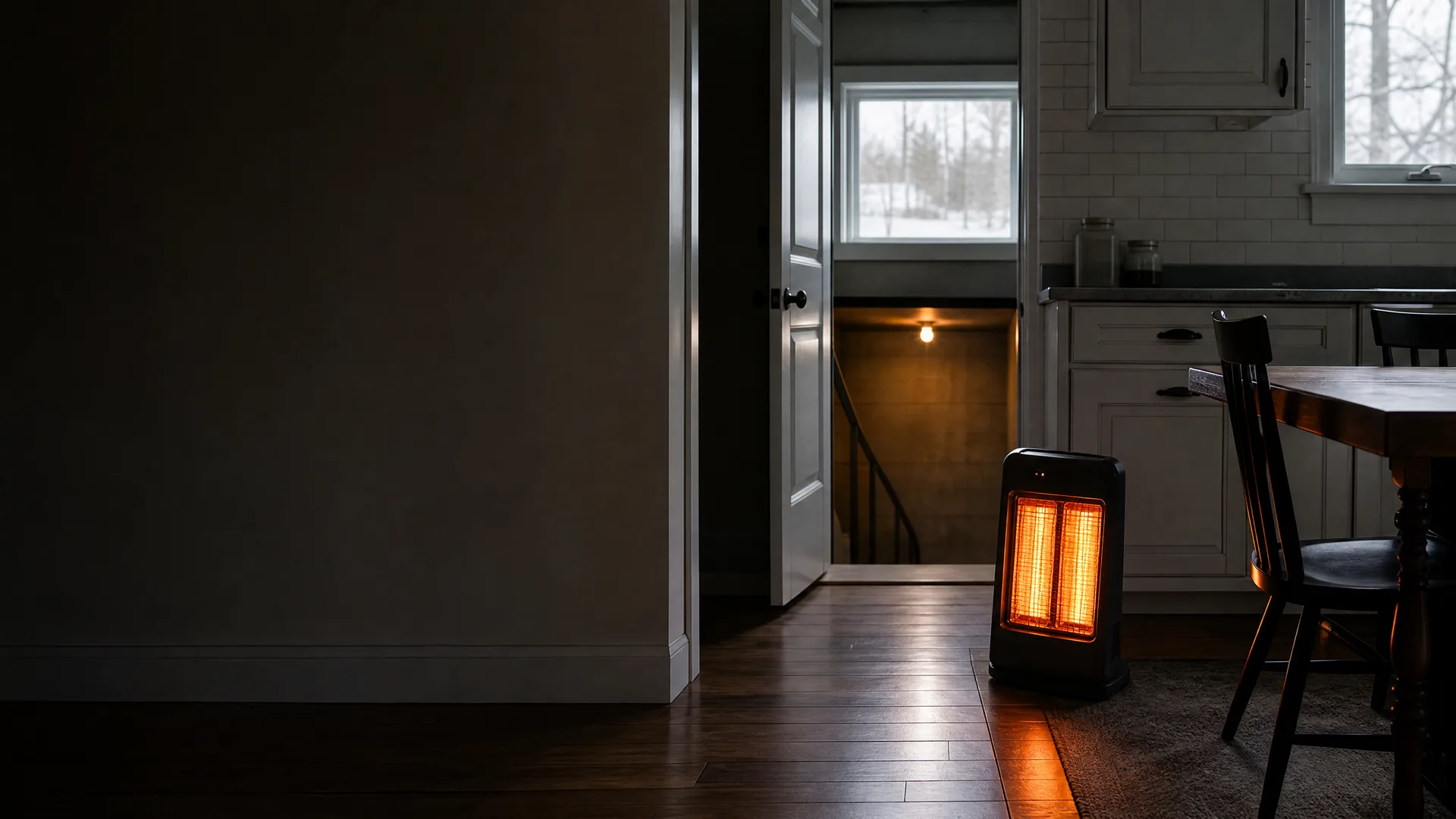
A portable electric space heater with glowing orange elements stands on a dark wood floor in a dim room beside an open door leading to a lit stairway, with a kitchen counter, window and wooden table and chairs at right.

The space heater by the kitchen table has been running since five, the orange coil the only warmth in the room. You went down to the basement before the kids woke up and stood by the furnace listening to it try to light, that click and pause and click again, then nothing. The thermostat still reads 61. Outside it's still dark and somewhere in the teens, the kind of January morning Utah gets a lot of. You left the basement door open so you'd hear it if it caught. It didn't. So you're standing at the counter with coffee, coat still on, trying to decide whether to call someone or wait and see if it warms up on its own.


Send one request and you're done looking

A furnace that's failing doesn't wait for a convenient week. You're left checking forums at midnight, calling a few contractors who can't come out until next month, and explaining the same clicking sound to each one before you get a straight answer. Or you decide to just live with the space heater through another cold snap because sorting through quotes feels like its own job. In Utah, with gas this common and a furnace this old, the decision usually comes down faster than people expect once someone who does this daily actually looks at it. Sending the form hands that search off. You stop being the one who has to find, vet, and compare, and a licensed contractor gets your request instead of you chasing five of them. What's left is the furnace itself, and someone who can tell you plainly whether it's worth saving.

What a 15-year furnace is up against

A gas furnace is built around a heat exchanger, and that part is what decides how long the furnace lasts. Every cycle, it heats up and cools down, and after enough winters the metal gets brittle and starts to crack. A cracked heat exchanger is why a furnace that age gets condemned instead of repaired. It's also why a contractor will test for cracks before quoting any fix on a furnace that old, because a repair on anything else doesn't matter if that part is going.

Why a new furnace runs less often

Furnaces made now modulate, which means the burner can run at a lower flame instead of firing at full blast and shutting off. That keeps the temperature in the house steadier and cuts down on the number of times the burners ignite in a day. Fewer ignitions means less wear on the igniter and flame sensor, the two parts that fail most on an old furnace. A new unit installed to fit your home's heat loss also won't short cycle the way an aging, oversized furnace does once it starts struggling to keep up.

A man in a gray sweater reclines in a brown leather armchair with his eyes closed, beside a wooden side table holding a mug, a folded newspaper and a potted plant, with a bookshelf and sunlit window behind him.
A man with greying hair and a dark sweater leans back on an armchair with his eyes closed and a slight smile, in a living room with a bookshelf, plant, folded newspaper and mug on a wooden table.
A man in a gray fleece jacket sits reclined in a leather chair with his eyes closed, in a room with bookshelves, a table lamp, a window, and a desk holding a folded newspaper and a dark mug.
A bearded man in a gray fleece pullover sits with eyes closed in a brown leather armchair in a living room, with a floor lamp, bookshelf, potted plants, a side table holding newspapers and a dark mug, and a bright window behind him.
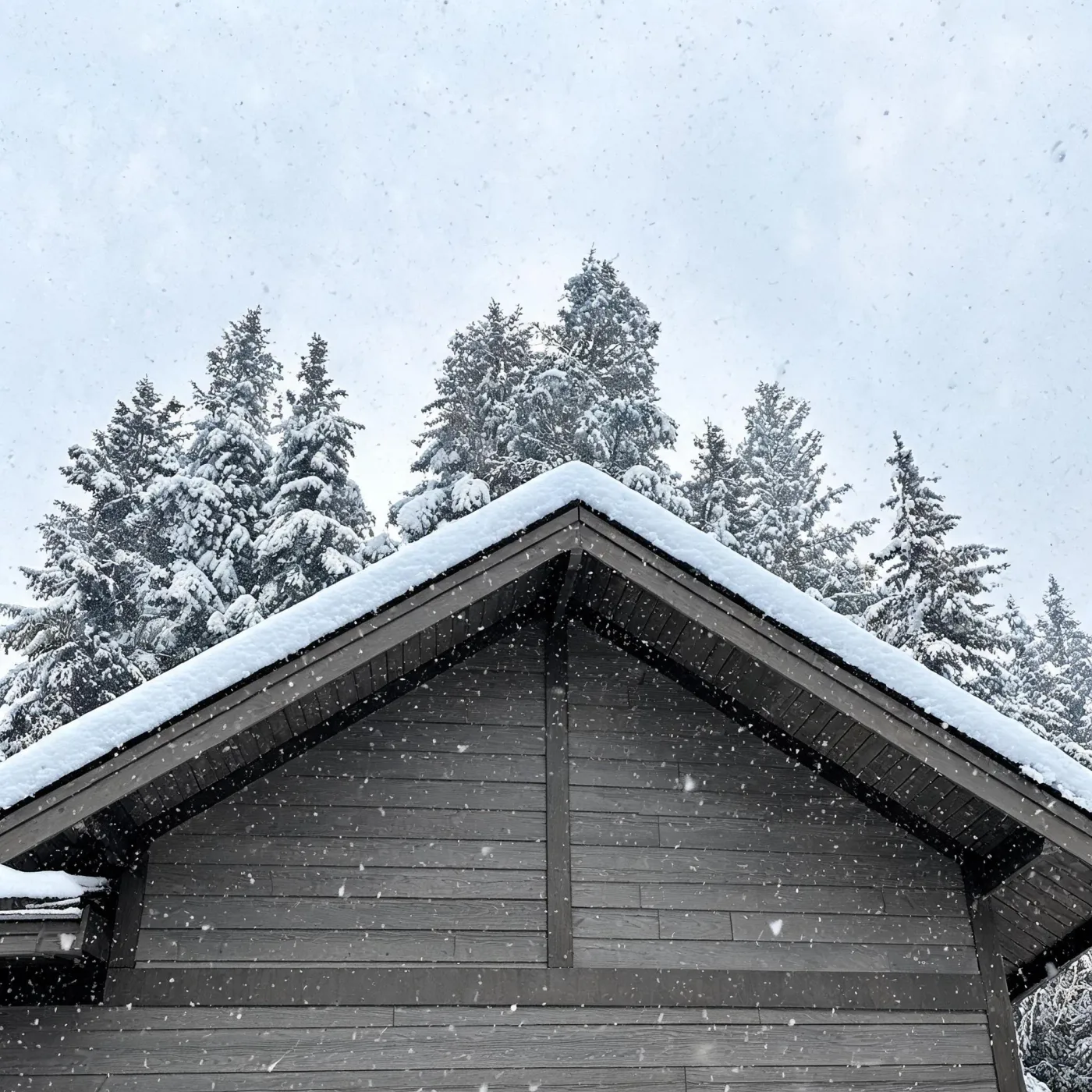
Snow-covered gable roof and dark wood-clad upper wall of a building, with snow-laden conifers and falling snowflakes against a pale overcast sky.

Statewide, winter nights average 21°F, according to NOAA climate data. A furnace that's already struggling doesn't get a break at that temperature. It has to run longer to make up the difference, and a weak heat exchanger or a burner that's slow to light gets pushed harder on the coldest nights than it ever does in October. That's usually when a marginal furnace stops keeping up, not during a mild stretch. If your mornings have been starting cold lately, nights in the low 20s are why.

NOAA nClimDiv 1991-2020 county normals weighted by homes

A beige sheet-metal furnace with a louvered upper panel stands on a concrete basement floor, connected to galvanized ductwork, white PVC vent pipes, and a metal gas line with an electrical box.
Before you get your furnace installation
A gray high-efficiency furnace with white PVC vent pipes stands in an unfinished basement beside sheet-metal ductwork, gas piping, and insulated stud walls on a concrete floor.
After you get your furnace installation

A furnace that's cheaper to repair today isn't always the cheaper choice this winter. A $400 fix on a 16-year-old unit still leaves you with the same worn heat exchanger and the same odds of another breakdown in January.

A new furnace costs more upfront, but it heats the house without the extra gas burned on long cycles, and you're not scheduling another repair call before spring.

Winter nights average 21°F statewide

At 21°F, your furnace is running most of the night just to keep the house at temperature. An old heat exchanger or a weak igniter has no room to rest at that cold, and that's when a breakdown shows up.

NOAA nClimDiv 1991-2020 county normals weighted by homes

  1. Cold air pulls in through the return and across the filter

  2. The igniter glows and lights the burners inside the heat exchanger

  3. The inducer motor pulls exhaust through the flue while the blower starts

  4. The blower pushes heated air back through the ducts into your rooms

A closed silver laptop and a ceramic mug of dark coffee sit on a wooden table in front of two chair backs, with a kitchen counter, tiled backsplash, wooden cutting boards, a vase of greenery and a potted plant by a window behind.

Repair it if it's young, replace it if it's not

A furnace under 10 years old with one bad part is worth fixing. Past 15, with winter nights dropping to 21°F across the state, you're asking a tired heat exchanger to keep up, and sooner or later it won't. That's the whole decision.

What's left is finding someone who can actually do the work, and that's usually the slower part. Calling around, waiting on return calls, telling three different people about the same clicking sound before anyone gives you a straight answer. Send the form and that part is off your plate. You'll know where you stand without doing the legwork yourself.

Interior corner of a living room with a beige upholstered sofa and dark cushion in the foreground, a ceramic vase of leafy branches on a dark side table by a curtained window, a framed picture on the wall, and a wood-surround fireplace at right.
A gray-haired man with a beard in a blue button-placket shirt reclines on a couch with his eyes closed, beside a sunlit window with a green plant.
A woman in a cream knit sweater sits in an armchair with her eyes closed near a window showing yellow autumn foliage, with a mug on a round wooden side table beside her.

Furnace Installation

Finding a pro stops being your job

Explain the job once and skip repeating it on every call.

A black-framed smartphone standing upright against a plain white background, its screen filled with solid green.
Step 1 of 3: Equipment