Tell us about the job
Takes about a minute. No obligation.
A furnace repair here starts with the parts that cycle most: the burner, the heat exchanger, and the ignition system. Homes in Utah County, UT run heat about nine months a year, from September through May. That load accumulates on the components that fire and shut off with every call for heat, and a contractor checking a failed furnace in this county works through those first. Cracks in the heat exchanger, igniter wear, and burner fouling are what the hours produce. A system that was undersized at installation shows those faults earlier, because it runs longer each cycle trying to meet the thermostat.
Half the homes in Utah County, Utah were built in 2001 or earlier (2020-2024 ACS 5-year). For a furnace repair, that figure matters less than it might for other work. Ductwork in houses of this vintage was put in for equipment close to what sits in them today, so a contractor who opens a furnace and finds a cracked heat exchanger or a failed igniter is looking at the component itself, not at infrastructure that was never sized for it. The repair scope comes down to what the opened unit contains and whether the part it needs is still available from the manufacturer.
The Parts of a Furnace a Contractor Checks First
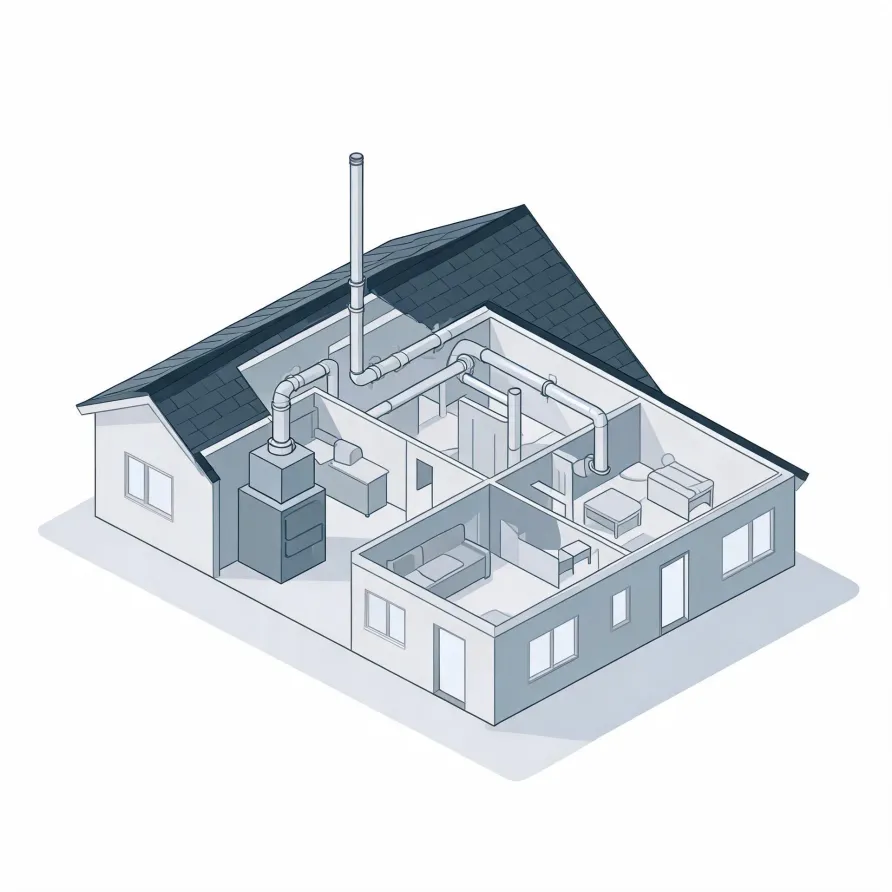
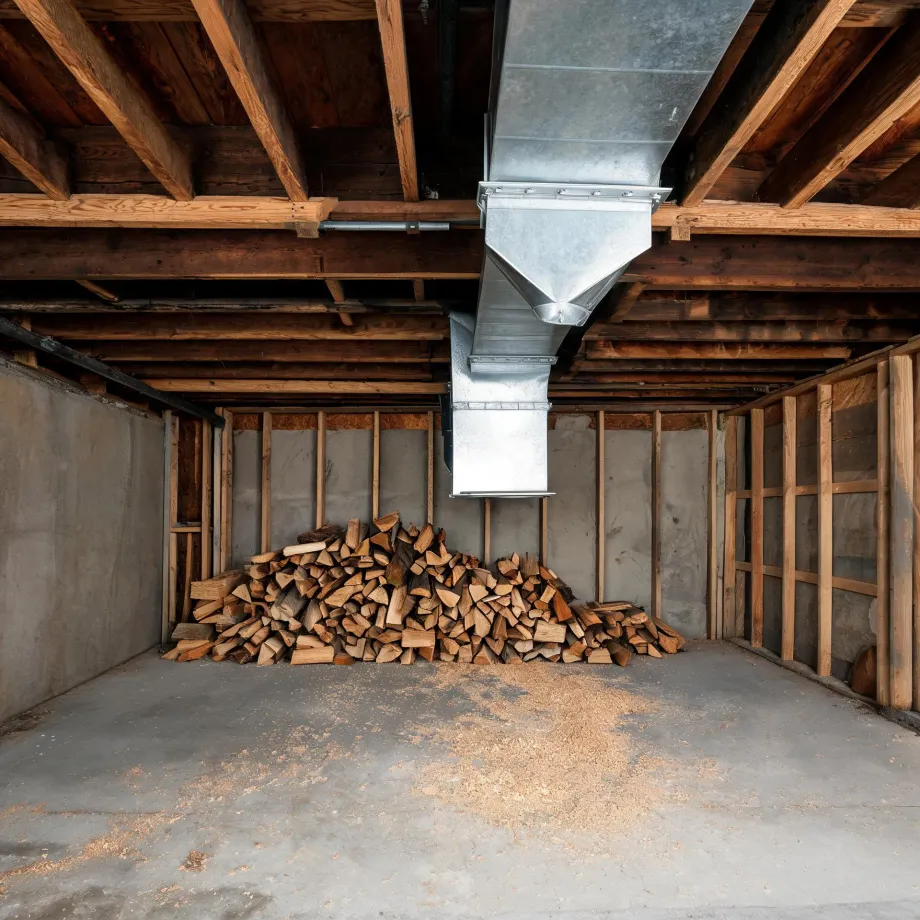
The furnace itself sits in a utility space, basement, or closet and is the piece a contractor opens first. Inside it, the heat exchanger and burner assembly are the most common sources of trouble. A cracked heat exchanger or a failing burner will show up as lost heat, odd smells, or a unit that cycles on and shuts off before the house warms.
The blower motor pushes conditioned air out through the supply side of the system and pulls return air back in. The igniter, flame sensor, and control board all sit inside the cabinet and work together to start and sustain a heating cycle. When any one of them fails, the board often stores a fault code that tells the contractor where to look.
The drawing shows a general furnace layout, and a licensed contractor determines which parts apply to your specific unit and installation.
Get matched in Utah CountyUtah County, by the numbers
203 severe weather events were recorded in Utah County, Utah between 2015 and 2024.
NOAA National Centers for Environmental Information, Storm Events Database, bulk CSV export, events 2015-01-01 through 2024-12-31.Half the homes in Utah County, Utah were built in 2001 or earlier (2020-2024 ACS 5-year).
U.S. Census Bureau, 2020-2024 American Community Survey 5-Year EstimatesUtah County, Utah holds 211,066 housing units (2020-2024 ACS 5-year).
U.S. Census Bureau, 2020-2024 American Community Survey 5-Year EstimatesOwners occupy 68.3% of the occupied homes in Utah County, Utah (2020-2024 ACS 5-year).
U.S. Census Bureau, 2020-2024 American Community Survey 5-Year EstimatesCodes & Licensing That Govern Furnace Repair in Utah County, Utah6 sourced rules and standards
What the repair visit looks like
Non-weatherized gas furnaces manufactured on or after November 19, 2015 must reach 80.0 percent AFUE.
Non-weatherized oil-fired furnaces manufactured on or after November 19, 2015 must reach 83.0 percent AFUE.
Mobile home gas furnaces manufactured on or after November 19, 2015 must reach 80.0 percent AFUE.
Non-weatherized gas furnaces manufactured on or after December 18, 2028 must reach 95.0 percent AFUE, up from the 80.0 percent minimum that applies to units manufactured before that date.
Licensing and Legal Requirements in Utah County, Utah
Utah’s contractor licence does not reach alteration, repair, remodelling or improvement of a building worth less than $7,000 in labour and materials together, counting every change and addition to the agreed work — though the plumbing and electrical trades are pulled back under licensure even below that figure.
Utah requires a state licence before engaging in a licensed construction trade or contracting activity, and HVAC contractor is one of the licence classifications the state issues.
Severe Weather Events in Utah County
Utah County's climate puts real stress on furnaces over time. How hard a system has to work, and how often it needs repair, is tied directly to local weather conditions.
203 severe weather events, 2015–2024. Source: NOAA National Centers for Environmental Information, Storm Events Database.