Tell us about the job
Takes about a minute. No obligation.
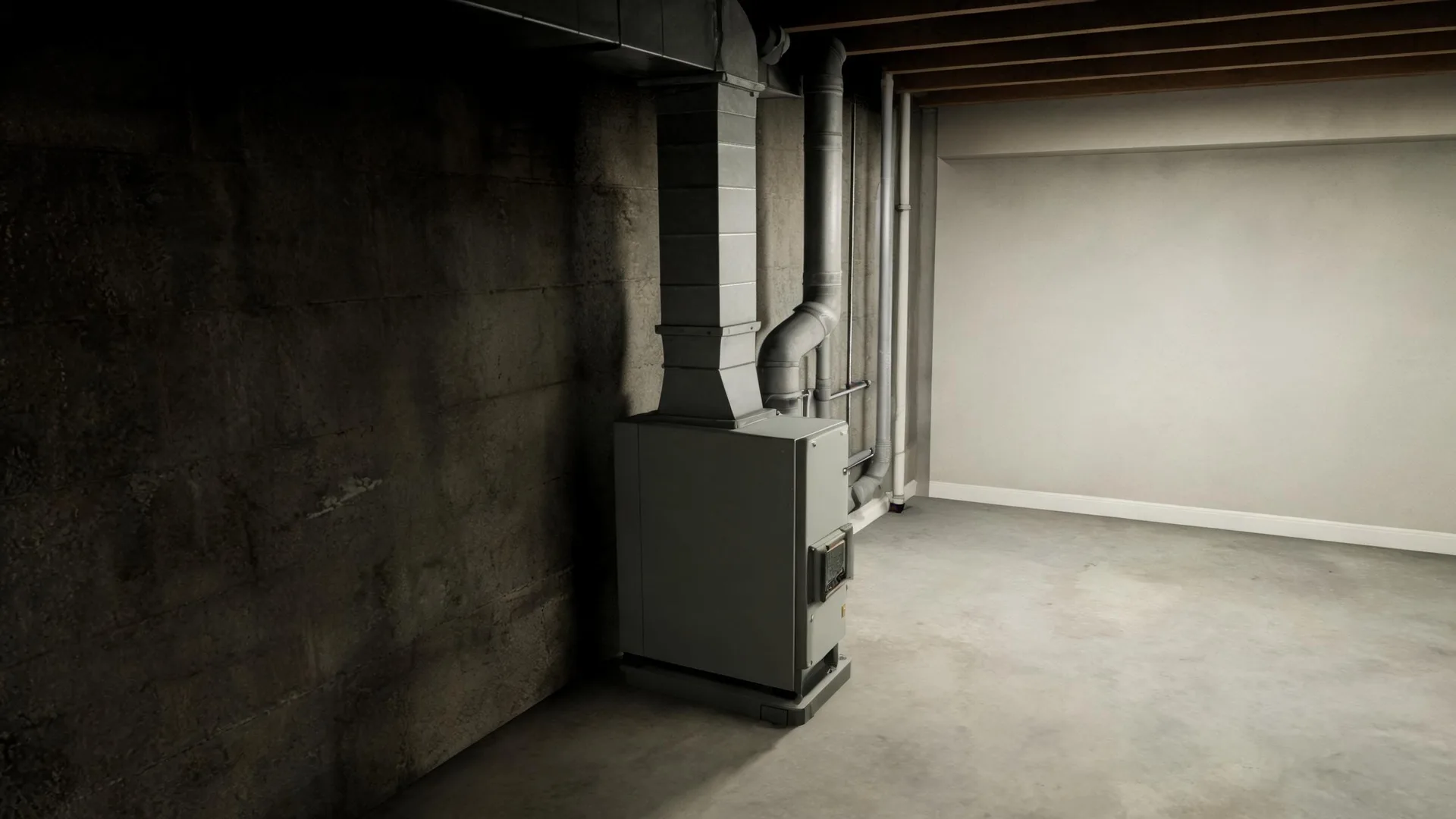
A furnace repair call in Grand County starts with the burner and heat exchanger, because those are the parts that have been working. Homes in Grand County, UT run heat about eight months a year, from October through May. A burner cycling through that kind of extended heating season accumulates stress on the ignition system and the heat exchanger in ways that show up as cracks, failed igniters, or erratic flame signals. A contractor diagnosing a furnace here checks those components before looking elsewhere, because wear concentrates there.
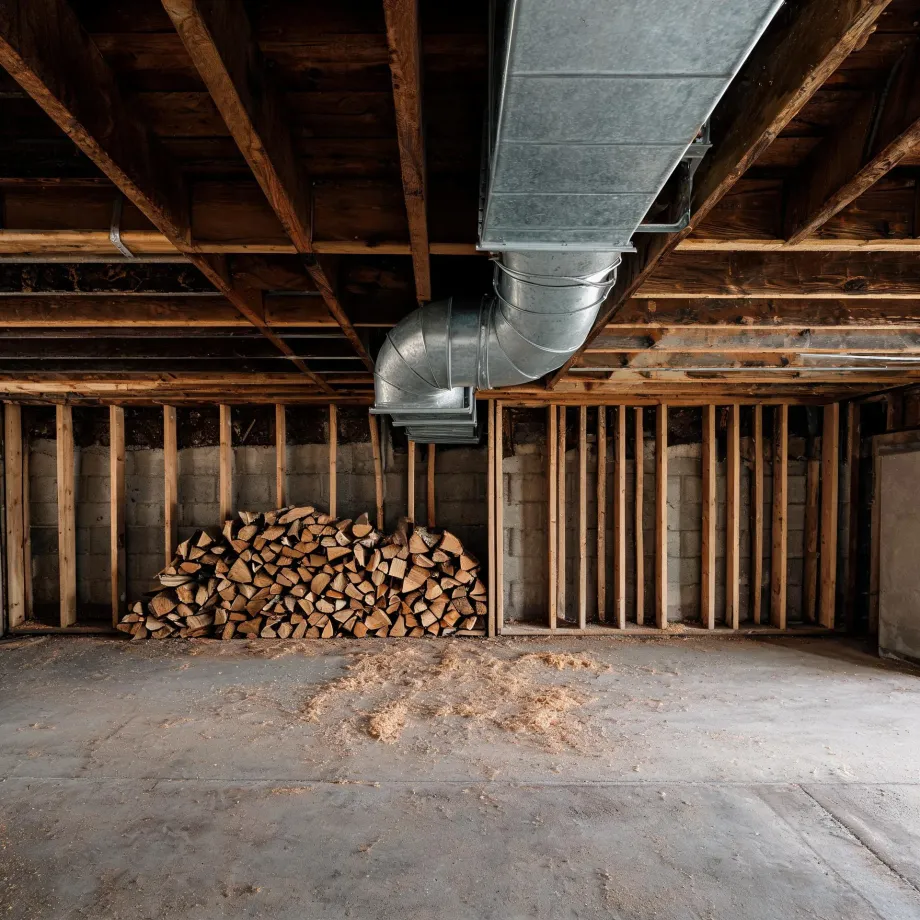
Furnaces in housing stock this old have usually been swapped out at least once since the house was built, which means the unit a contractor opens may have no clear service history and may carry repairs done by whoever worked on it last. Half the homes in Grand County, Utah were built in 1988 or earlier (2020-2024 ACS 5-year). That history shows up inside the equipment: heat exchangers that have been running through multiple ownership cycles, burner assemblies adjusted for conditions nobody documented, and wear that a visual inspection from the outside does not predict. Parts availability for older units is the other variable a contractor has to price against before the job scope is firm.
The Parts of a Furnace a Contractor Checks First
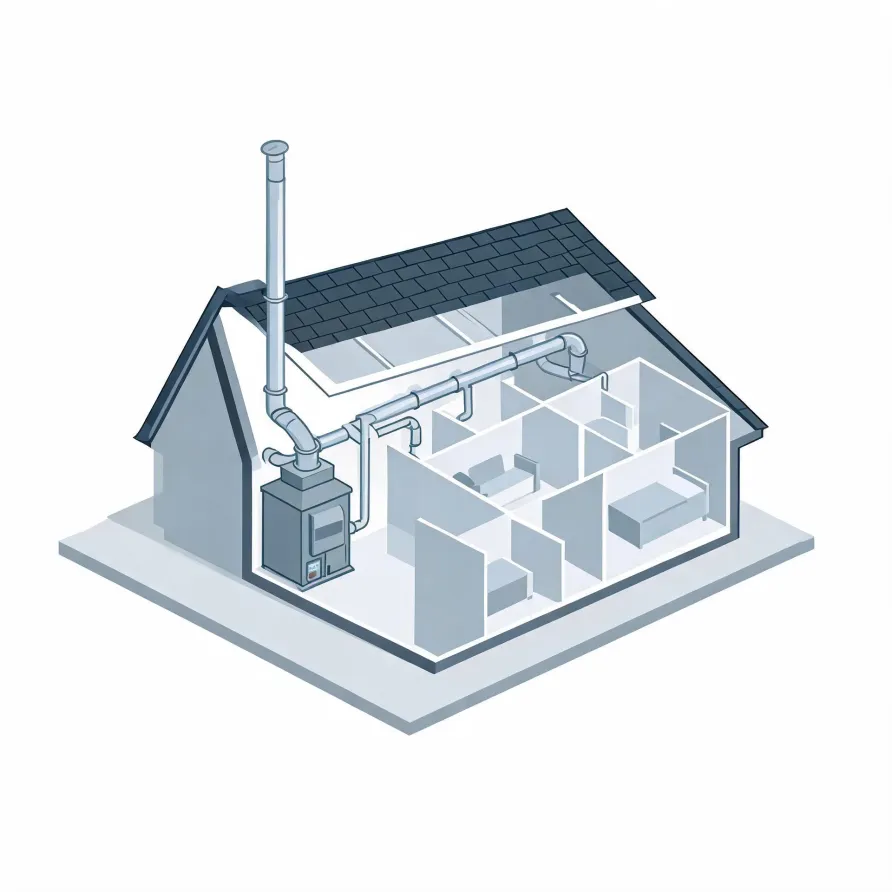
The furnace cabinet sits in a mechanical room, basement, or utility closet and holds most of what a contractor will examine. Inside it, the heat exchanger is the first place a technician looks when a furnace runs but does not warm the house, and the burner assembly is what gets scrutinized when ignition is the problem.
The blower motor moves conditioned air from the cabinet into the supply ducts, and a failed motor is often what causes weak or absent airflow. The flue pipe exits the cabinet and vents combustion gases outside, while the thermostat on the wall is the control point a contractor checks when the system does not respond at all.
The drawing shows the general layout of a furnace system, and a licensed contractor determines which components apply to the specific setup in your house.
Get matched in Grand CountyGrand County, Utah, by the numbers
159 severe weather events were recorded in Grand County, Utah between 2015 and 2024.
NOAA National Centers for Environmental Information, Storm Events Database, bulk CSV export, events 2015-01-01 through 2024-12-31.Half the homes in Grand County, Utah were built in 1988 or earlier (2020-2024 ACS 5-year).
U.S. Census Bureau, 2020-2024 American Community Survey 5-Year EstimatesGrand County, Utah holds 5,424 housing units (2020-2024 ACS 5-year).
U.S. Census Bureau, 2020-2024 American Community Survey 5-Year EstimatesOwners occupy 70.3% of the occupied homes in Grand County, Utah (2020-2024 ACS 5-year).
U.S. Census Bureau, 2020-2024 American Community Survey 5-Year EstimatesFurnace & HVAC Repair Rules Sourced for Grand County, Utah6 codes, standards & rules
What the Repair Visit Looks Like
Non-weatherized gas furnaces manufactured on or after November 19, 2015 must reach 80.0 percent AFUE.
Non-weatherized oil-fired furnaces manufactured on or after November 19, 2015 must reach 83.0 percent AFUE.
Mobile home gas furnaces manufactured on or after November 19, 2015 must reach 80.0 percent AFUE.
Non-weatherized gas furnaces manufactured on or after December 18, 2028 must reach 95.0 percent AFUE, up from the 80.0 percent minimum that applies to units manufactured before that date.
Licensing Rules for HVAC Repair in Grand County, Utah
Utah’s contractor licence does not reach alteration, repair, remodelling or improvement of a building worth less than $7,000 in labour and materials together, counting every change and addition to the agreed work — though the plumbing and electrical trades are pulled back under licensure even below that figure.
Utah requires a state licence before engaging in a licensed construction trade or contracting activity, and HVAC contractor is one of the licence classifications the state issues.
Weather Stress on HVAC Equipment in Grand County
Heating equipment in Grand County works against whatever the climate throws at it, and that workload shapes how hard components run and how quickly they wear. Repair needs here are tied to local conditions, which is why the weather record belongs on this page.
159 severe weather events, 2015–2024. Source: NOAA National Centers for Environmental Information, Storm Events Database.