Tell us about the job
Takes about a minute. No obligation.
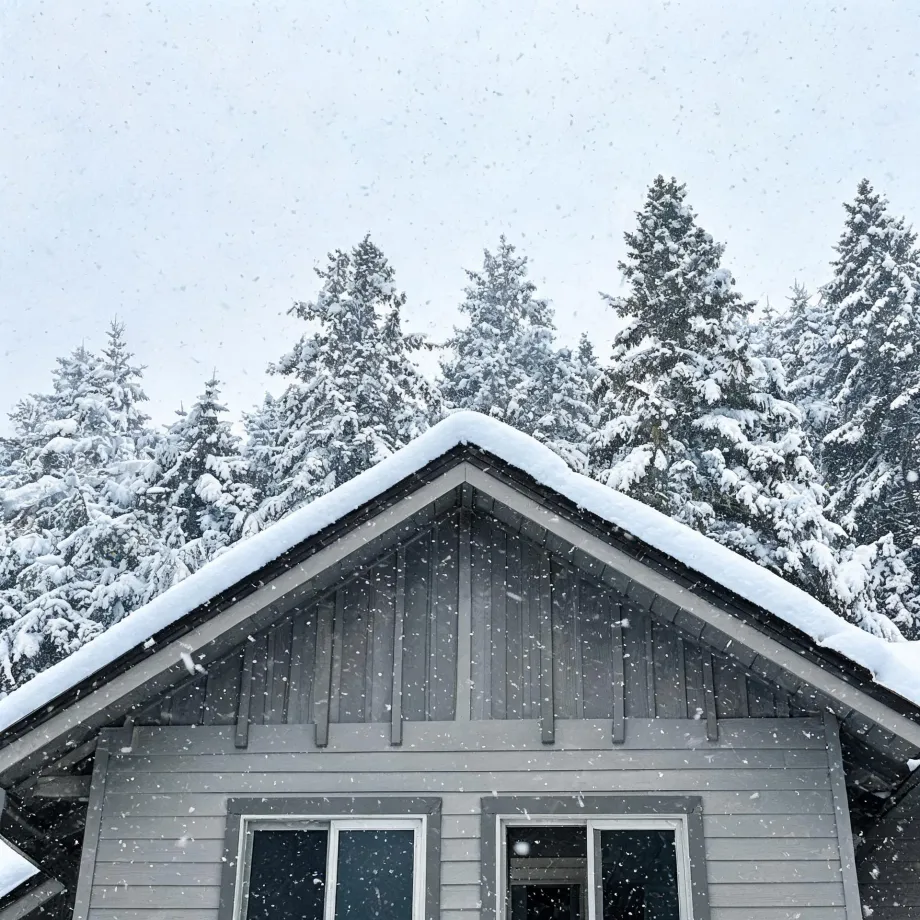
The burner, heat exchanger, and ignition system in a Daggett County furnace cycle for the better part of every calendar year. Homes in Daggett County, UT run heat about ten months a year, from September through June. A contractor called out for a repair here starts with those cycling components first, because fatigue on the heat exchanger or a worn igniter is far more likely than anything else after that kind of accumulated load. A cracked heat exchanger in particular does not announce itself the way a failed igniter does, so a thorough look at the combustion side of the unit comes before any other diagnosis.
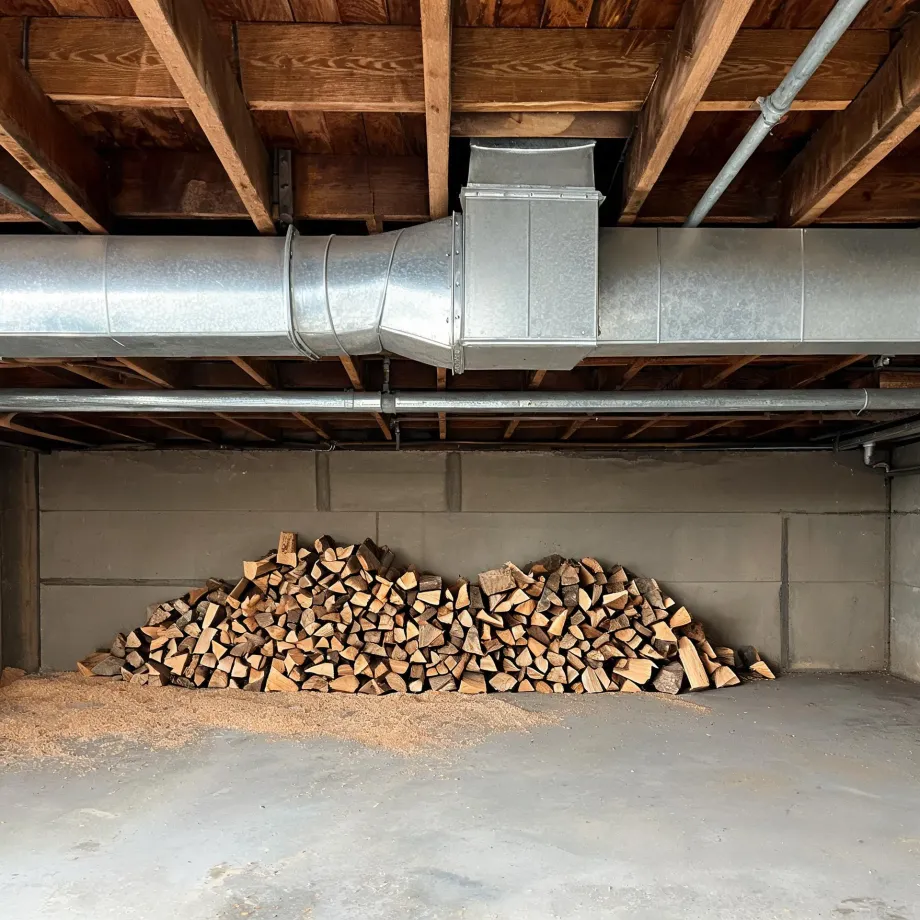
Furnaces sitting inside aging ductwork carry a specific repair history that shows up the moment a contractor opens the cabinet. Half the homes in Daggett County, Utah were built in 1979 or earlier (2020-2024 ACS 5-year). That means the heat exchanger, burner assembly, and flue connections in a typical Daggett County home have run through a long string of heating seasons, and what they have picked up along the way drives the repair scope more than the fault code does. Cracked exchangers and worn burner ports are not surprises in stock like this; they are what the contractor is already looking for before the panel comes off.
The Parts of a Furnace a Contractor Checks First
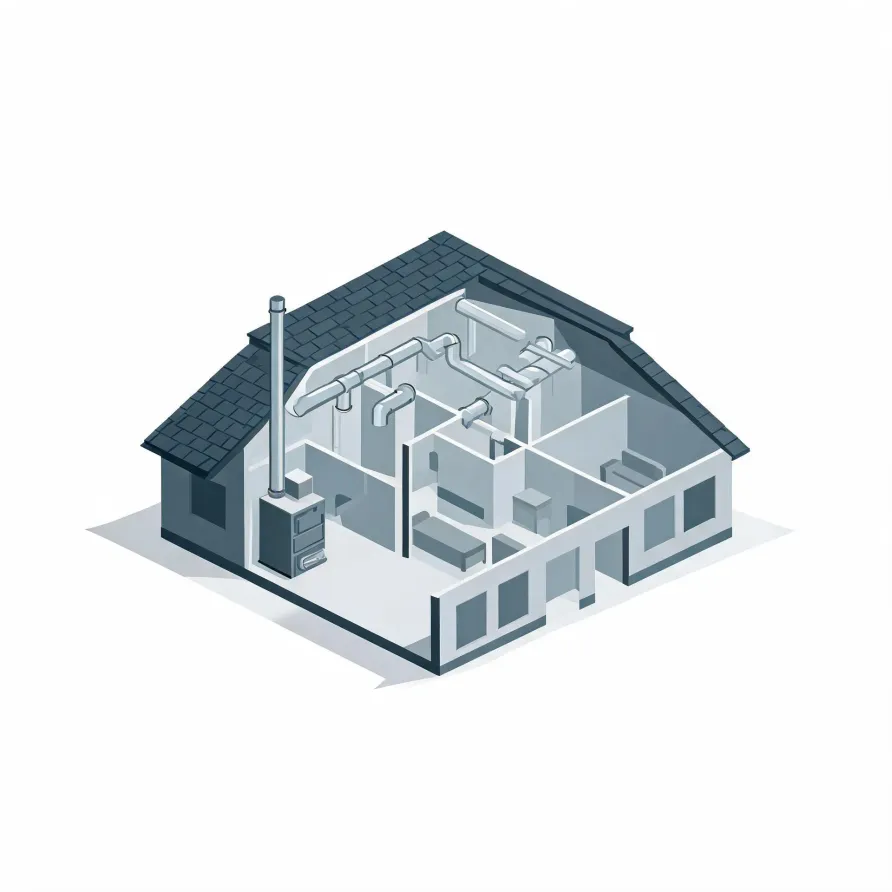
The furnace itself sits in the basement, utility room, or closet and is the piece a contractor goes to first. Inside it, the heat exchanger and burner assembly are where most faults show up. A cracked heat exchanger, a failed ignitor, or a dirty burner can each shut the system down or make it run poorly.
The blower motor moves conditioned air out of the furnace and into the house. The flue pipe carries combustion gases up and out, and the limit switch watches for overheating. Each of these has a job that is obvious when it fails, and a contractor works through them in a specific order.
The drawing shows the general layout of a furnace system, and a licensed contractor determines which parts apply to the specific equipment and configuration in your house.
Get matched in Daggett CountyDaggett County, by the record
38 severe weather events were recorded in Daggett County, Utah between 2015 and 2024.
NOAA National Centers for Environmental Information, Storm Events Database, bulk CSV export, events 2015-01-01 through 2024-12-31.Half the homes in Daggett County, Utah were built in 1979 or earlier (2020-2024 ACS 5-year).
U.S. Census Bureau, 2020-2024 American Community Survey 5-Year EstimatesDaggett County, Utah holds 1,163 housing units (2020-2024 ACS 5-year).
U.S. Census Bureau, 2020-2024 American Community Survey 5-Year EstimatesOwners occupy 82.3% of the occupied homes in Daggett County, Utah (2020-2024 ACS 5-year).
U.S. Census Bureau, 2020-2024 American Community Survey 5-Year EstimatesFurnace Repair Rules on the Books for Daggett County, Utah6 codes, standards & laws
What Happens When a Contractor Comes Out
Non-weatherized gas furnaces manufactured on or after November 19, 2015 must reach 80.0 percent AFUE.
Non-weatherized oil-fired furnaces manufactured on or after November 19, 2015 must reach 83.0 percent AFUE.
Mobile home gas furnaces manufactured on or after November 19, 2015 must reach 80.0 percent AFUE.
Non-weatherized gas furnaces manufactured on or after December 18, 2028 must reach 95.0 percent AFUE, up from the 80.0 percent minimum that applies to units manufactured before that date.
Contractor Rules in Daggett County, Utah
Utah’s contractor licence does not reach alteration, repair, remodelling or improvement of a building worth less than $7,000 in labour and materials together, counting every change and addition to the agreed work — though the plumbing and electrical trades are pulled back under licensure even below that figure.
Utah requires a state licence before engaging in a licensed construction trade or contracting activity, and HVAC contractor is one of the licence classifications the state issues.
Weather Stress on HVAC Equipment in Daggett County
Heating equipment works harder when outdoor conditions push to extremes, and how often that happens is a local fact. The chart below tracks recorded severe weather events in this county year by year, because that load history shapes what breaks, when, and how often a furnace needs attention.
38 severe weather events, 2015–2024. Source: NOAA National Centers for Environmental Information, Storm Events Database.