Tell us about the job
Takes about a minute. No obligation.
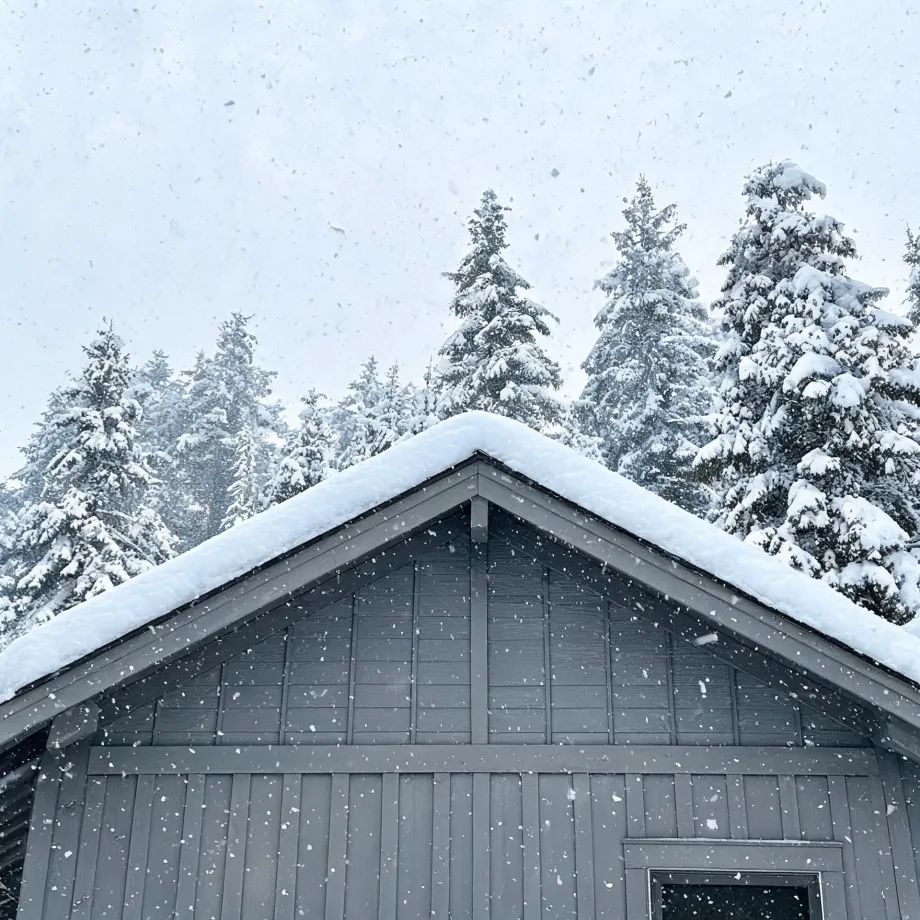
A furnace repair in Cache County starts with the parts that do the work every cold morning: the burner, the heat exchanger, and the ignition system. Homes in Cache County, UT run heat about ten months a year, from September through June. That leaves the burner cycling through almost no idle period at all, and wear on the igniter and heat exchanger reflects it. A contractor quoting a repair here checks those components first, because they carry the load of a season that barely pauses.
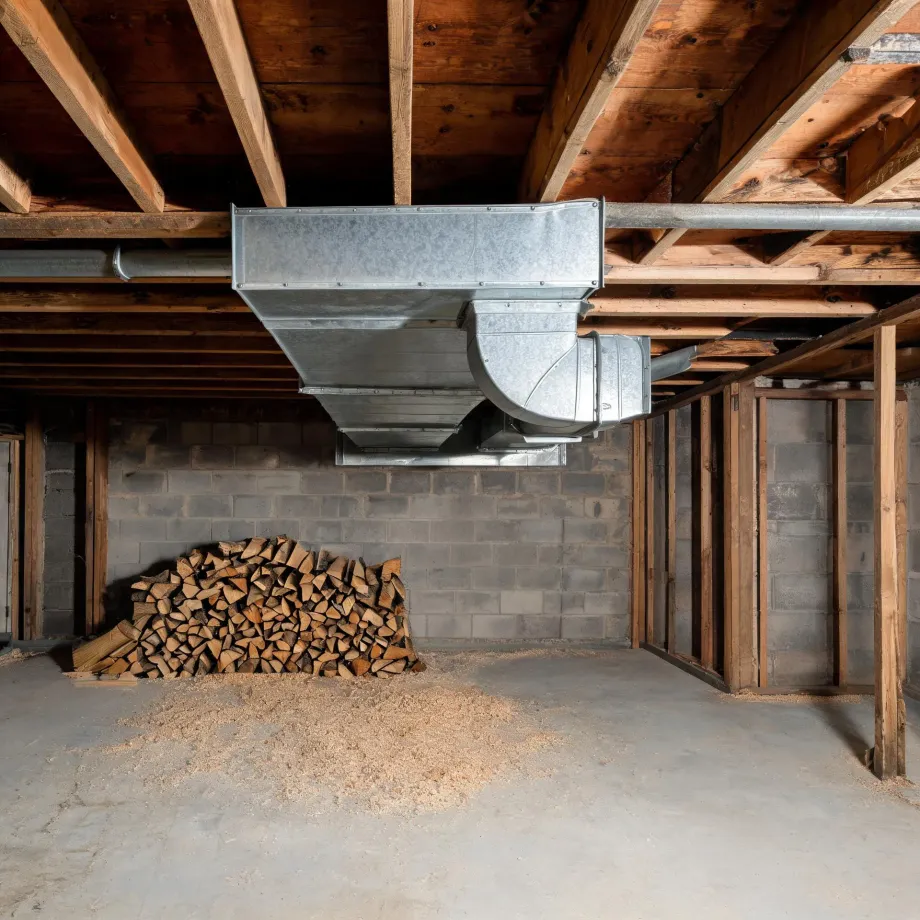
Furnaces in a significant share of Cache County homes have been running long enough that the repair question shifts from what is wrong to what the system still accepts as a replacement part. Half the homes in Cache County, Utah were built in 1992 or earlier (2020-2024 ACS 5-year). When a contractor opens a unit in housing like this, the component condition is only half the picture. If the part the repair calls for has moved out of active production, the job changes shape entirely, and a homeowner who expected a straightforward fix ends up weighing a part-source problem against a broader decision about the system.
The Parts of a Furnace a Contractor Checks First
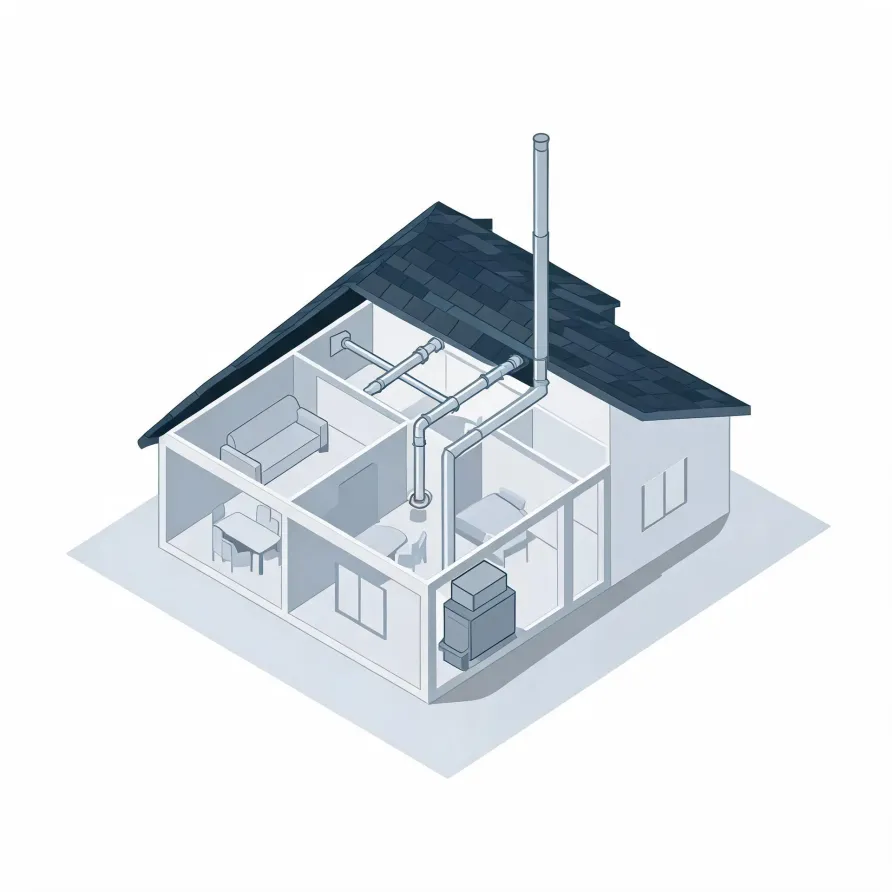
The furnace itself sits in the basement, utility room, or closet and is the piece a contractor opens first. Inside it, the heat exchanger is the part that warms the air your home breathes, and a crack or failure there is one of the more serious faults a technician looks for. The burner assembly, which fires directly beneath the exchanger, is another common source of problems when heat output drops or the unit short-cycles.
The blower motor sits at the base of the furnace cabinet and pushes conditioned air into the duct system. The flue pipe runs from the top or back of the unit to the outside and is checked when combustion gases are a concern. The control board ties all of it together, and when symptoms are scattered or hard to read, that board is often where a contractor looks last.
The drawing shows a typical layout, and a licensed contractor determines what applies to your specific system and installation.
Get matched in Cache CountyCache County, Utah, by the numbers
103 severe weather events were recorded in Cache County, Utah between 2015 and 2024.
NOAA National Centers for Environmental Information, Storm Events Database, bulk CSV export, events 2015-01-01 through 2024-12-31.Half the homes in Cache County, Utah were built in 1992 or earlier (2020-2024 ACS 5-year).
U.S. Census Bureau, 2020-2024 American Community Survey 5-Year EstimatesCache County, Utah holds 46,665 housing units (2020-2024 ACS 5-year).
U.S. Census Bureau, 2020-2024 American Community Survey 5-Year EstimatesOwners occupy 63.7% of the occupied homes in Cache County, Utah (2020-2024 ACS 5-year).
U.S. Census Bureau, 2020-2024 American Community Survey 5-Year EstimatesFurnace Repair Rules & Standards for Cache County, Utah6 sourced codes and standards
What Happens When the Contractor Comes Out
Non-weatherized gas furnaces manufactured on or after November 19, 2015 must reach 80.0 percent AFUE.
Non-weatherized oil-fired furnaces manufactured on or after November 19, 2015 must reach 83.0 percent AFUE.
Mobile home gas furnaces manufactured on or after November 19, 2015 must reach 80.0 percent AFUE.
Non-weatherized gas furnaces manufactured on or after December 18, 2028 must reach 95.0 percent AFUE, up from the 80.0 percent minimum that applies to units manufactured before that date.
Licensing and Legal Requirements in Cache County, Utah
Utah’s contractor licence does not reach alteration, repair, remodelling or improvement of a building worth less than $7,000 in labour and materials together, counting every change and addition to the agreed work — though the plumbing and electrical trades are pulled back under licensure even below that figure.
Utah requires a state licence before engaging in a licensed construction trade or contracting activity, and HVAC contractor is one of the licence classifications the state issues.
Severe Weather Events in Cache County
Extreme weather puts real strain on furnace components, and how hard a system works over its lifetime depends largely on what the local climate demands of it. Repair needs in Cache County reflect that local pressure.
103 severe weather events, 2015–2024. Source: NOAA National Centers for Environmental Information, Storm Events Database.