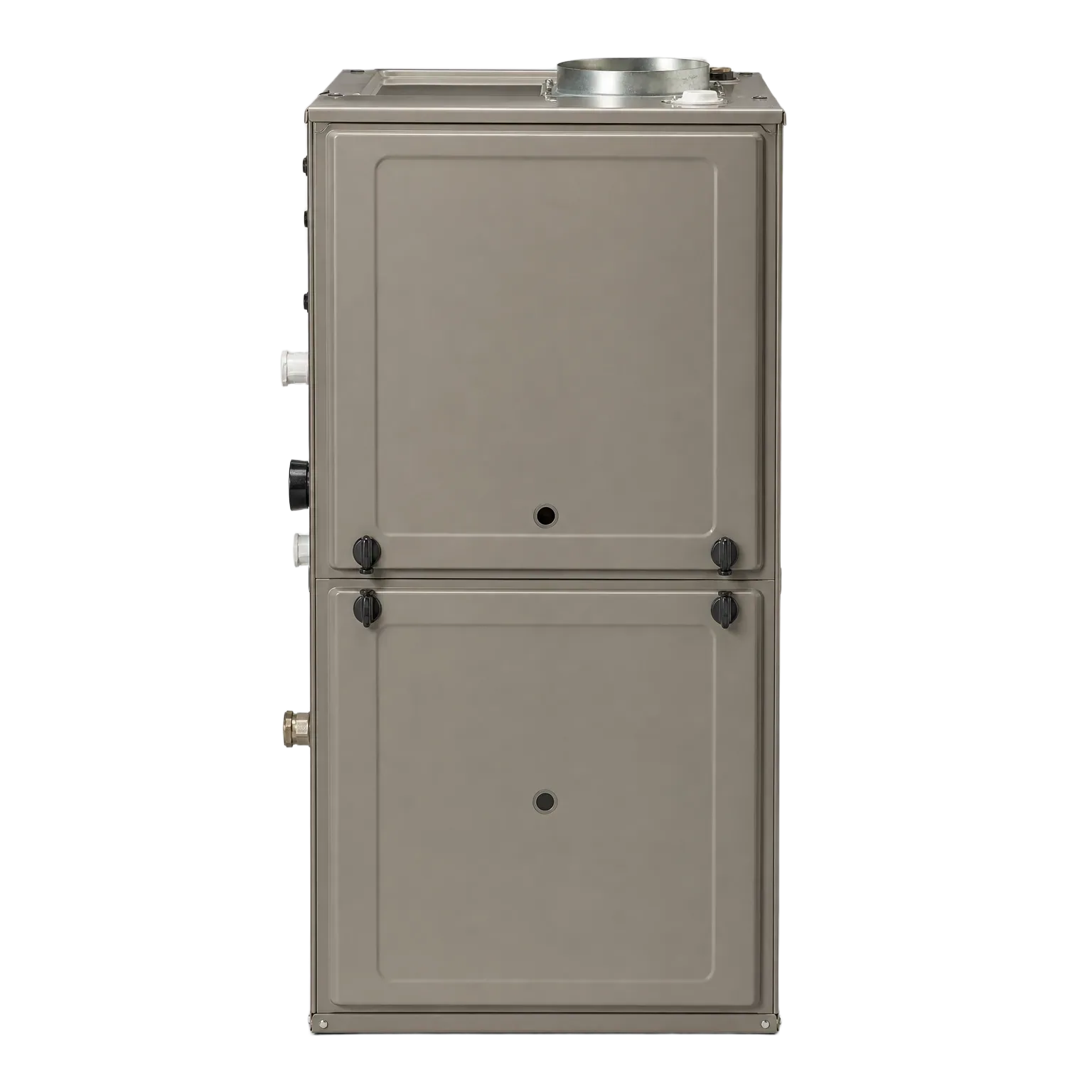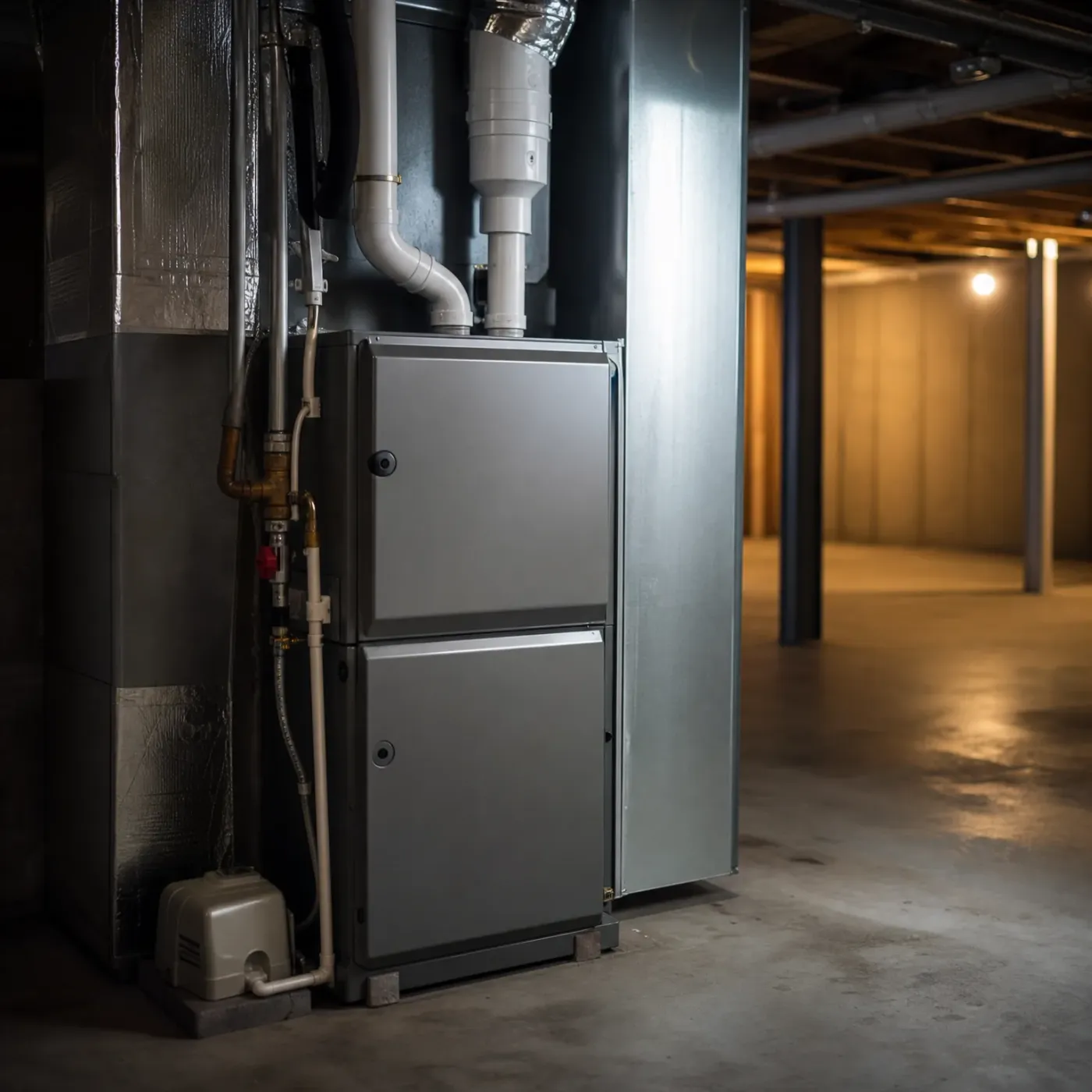


A gray high-efficiency furnace with PVC venting, copper and plastic piping, and a condensate pump sits beside sheet-metal ductwork in a concrete-floored basement.

Let someone else find the pro

Furnace pilot light keeps going out in Utah

A pilot that won't stay lit usually comes down to one of a few parts: a dirty or bent thermocouple, a draft from a vent pipe, or a clogged orifice. This page gets into what's likely going on with your furnace and what it takes to fix it for good. Once you send the request, finding someone to look at it stops being on you.

Hand it over

A pilot light that keeps going out almost always means the thermocouple is worn out. That's the small copper rod that sits in the flame and tells the gas valve the pilot is lit. Once it weakens, it reads the flame as out even when it's burning fine, and the valve shuts the gas off. Dirt or soot on the tip can cause the same thing, and a draft reaching the burner compartment from a vent pipe or a loose panel can blow the flame out on its own. If your furnace sits in a garage or utility room where cold air pushes in during the winter, that draft matters more than people think. A clogged pilot orifice is the other common cause, starving the flame until it's too weak to hold. None of these clear up on their own, and relighting the pilot over and over just means it will go out again the next cold night.

A beige furnace with two access panels stands against a concrete basement wall, with galvanized sheet-metal ductwork, a white PVC pipe, flexible conduit and insulated ducting around it.
Before you get your furnace repair
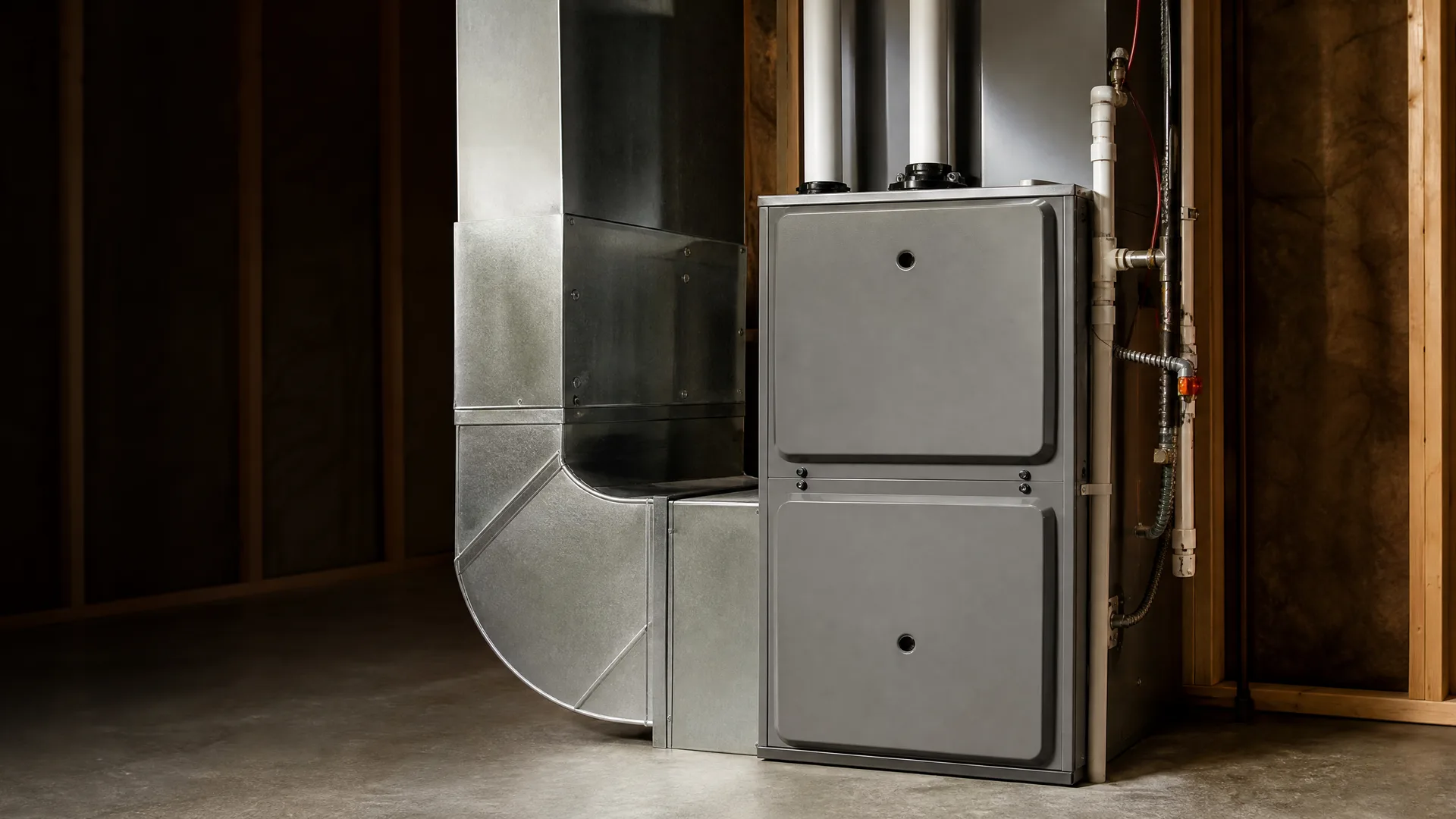
A gray furnace with white PVC vent pipes stands beside sheet-metal ductwork in a basement with a smooth concrete floor, exposed wood framing, and plastic sheeting on the walls.
After you get your furnace repair

Why the thermocouple wears out

The thermocouple sits right in the pilot flame, so it takes the heat every time the furnace fires. Years of that wears down the metal until it can't make a strong enough signal to hold the gas valve open. There's no fixing a worn thermocouple. A contractor who works on furnaces all winter can spot a weak one on sight, usually by how the tip looks or how the flame reacts when it's tested, and swap it out with one rated for your furnace.


When it's something else entirely

Sometimes the thermocouple is fine and the problem is air. A draft finding its way in through the vent pipe or a gap near the furnace can push the pilot flame sideways or snuff it out, especially on windy days. A clogged orifice can starve the flame until it's too small to heat the thermocouple properly. Both look like the same symptom from your side, a pilot that won't stay lit, but they call for different fixes, which is why getting the actual cause right matters before anything gets replaced.

A smiling bearded man in a dark green hooded jacket and blue t-shirt sits on a couch in a living room with shelves, a potted plant, and a bowl of popcorn on a wooden table.
A smiling man in a green long-sleeved shirt sits on a beige sofa in a living room, with a bowl of popcorn in the foreground, a large potted plant and shelving behind him.
A smiling man in a dark blue T-shirt sits on a couch in a dimly lit living room with a bowl of popcorn and a remote on a wooden table, a lit floor lamp and bookshelves behind him, and windows showing greenery.
A smiling bearded man in a dark green long-sleeved shirt sits on a leather couch in a living room, with a bowl of popcorn and a remote control on a wooden table in the foreground.

No heat tonight

A pilot that won't hold means no flame, no heat. With winter nights here dropping well below freezing, a furnace that won't stay lit isn't something to put off.

Get a licensed local pro

One trip, fixed

A worn thermocouple gets swapped out and the pilot holds for good. No relighting it every few hours, no guessing if it'll make it through the night.

Get a licensed local pro

Why does your pilot keep blowing out at night

You've probably relit it two or three times already, and it holds for a while then goes dark again, usually overnight when the furnace is running the most. You might smell a little gas in the few seconds before it catches, or notice the flame looks small and more orange than blue. Some nights it stays lit fine and you start to think it fixed itself, then it's out again by morning. If it keeps happening, you're waking up to a cold house and resetting it by hand before anyone can shower or get dressed, and that gets old fast once your mornings are already tight.

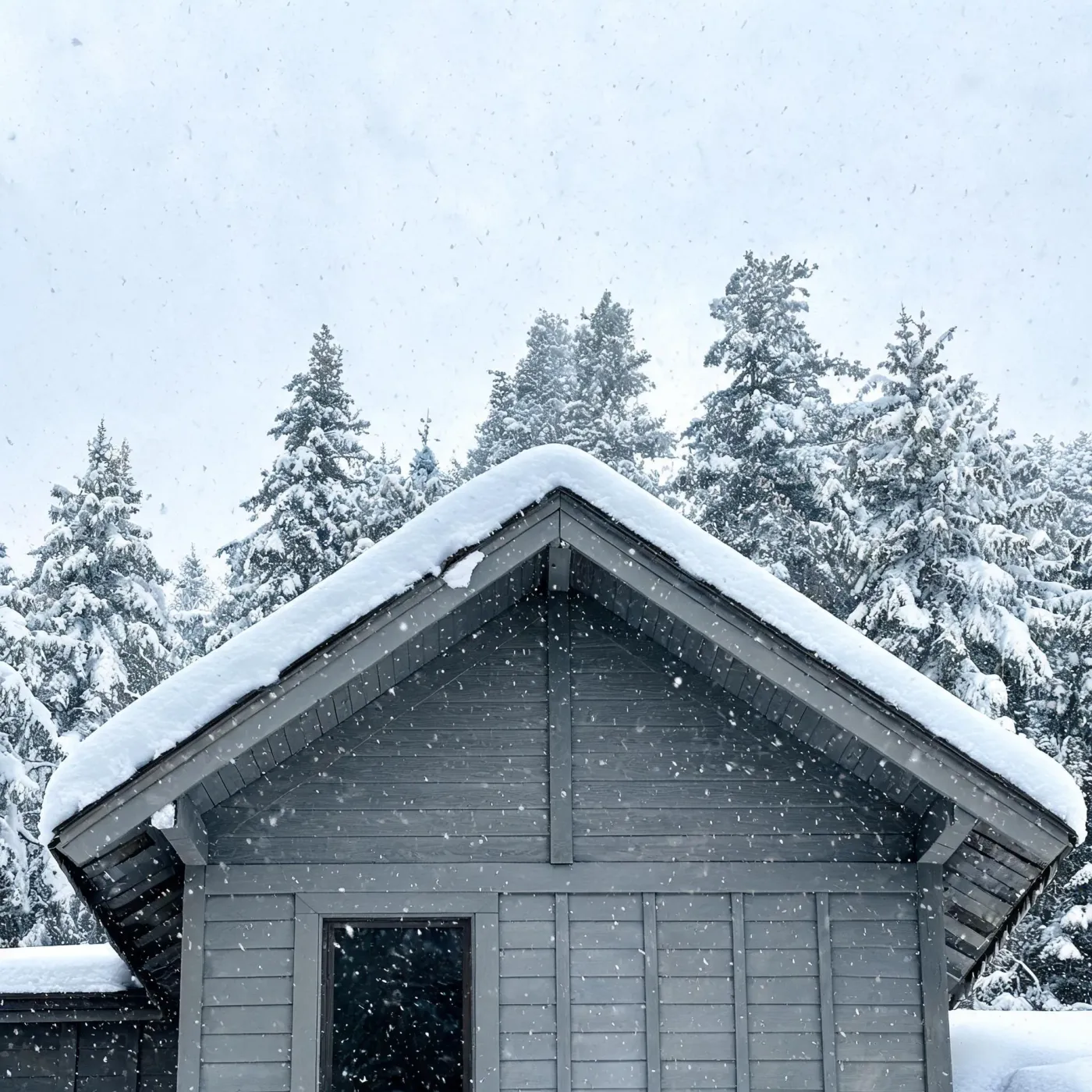
Gable end of a gray wood-clad cabin with a snow-covered roof, falling snowflakes, and snow-laden conifer trees behind it under a pale overcast sky.

Winter nights average 21°F statewide, per NOAA. That's the stretch where your furnace is firing almost nonstop, and it's exactly when a worn thermocouple shows itself. You relight the pilot before bed, it holds for a few hours, then the cold pulls the furnace into another long run and the flame signal drops out again. By 2 a.m. the house is cooling and you're back at the furnace with a lighter. A weak thermocouple can't keep up with that kind of demand, and nights this cold are when it finally gives out for good instead of just flickering. Send the form and the search for who fixes it is off your plate.

NOAA nClimDiv 1991-2020 county normals weighted by homes

Done looking for a furnace pro

Only one pro gets your request, so you hear from one company.

There's no charge for the request.

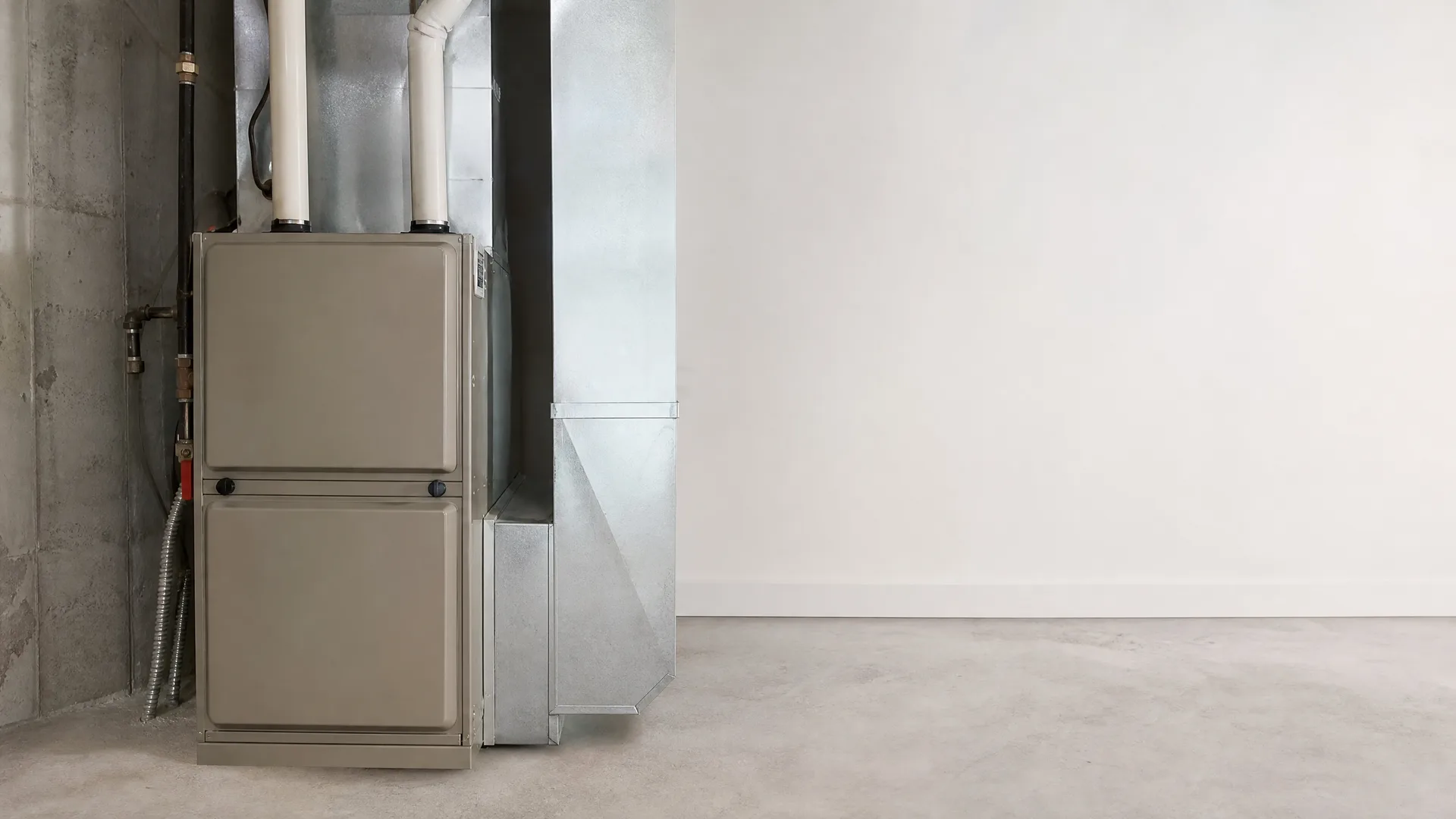
A beige high-efficiency furnace with two white PVC pipes stands beside sheet-metal ductwork and a concrete wall in an empty basement with a bare light-colored wall and concrete floor.

A thermocouple that still holds

A good thermocouple grips the gas valve open and doesn't let go until the pilot actually dies. You light it once, maybe hold the knob down the full thirty seconds, and it stays lit through the night and the next and the one after that. No relighting at 2 a.m., no standing there with a lighter wondering if it'll catch this time. The furnace just runs.

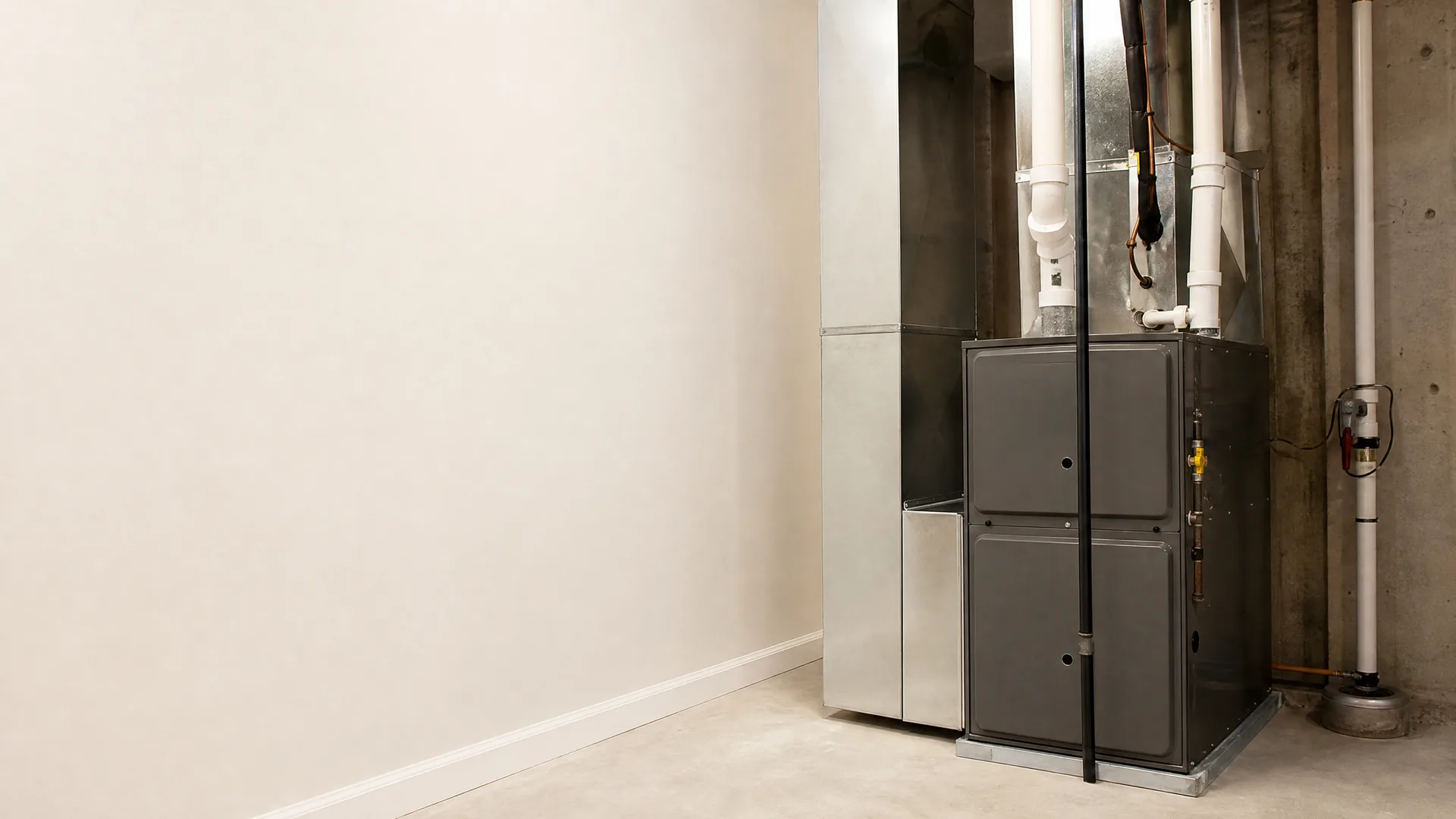
A gray furnace with sheet-metal ductwork and white PVC vent pipes stands in the corner of a finished basement room with a blank beige wall and concrete floor.

A thermocouple that's given out

A worn one lets go on its own, flame or no flame. You relight it before bed, it holds a few hours, then the cold snap hits and the furnace cycles hard and the pilot drops out again. Some nights it's twice. You start keeping a lighter on the furnace shelf because you know you'll need it, and the house loses heat each time it happens.

Can a bad thermocouple actually leak gas?

You've smelled gas for a second or two when the pilot won't catch, and now you're wondering if the thermocouple itself is letting gas out, not just failing to read the flame right.

No. The thermocouple can't leak gas, but it can't stop a leak either

The thermocouple doesn't carry gas. It's a sensor, a copper rod that reads heat and sends a small signal to the gas valve. What it controls is whether that valve stays open. A worn thermocouple can send a weak or false signal, which is what causes the valve to shut the pilot off on its own. The brief smell of gas you notice when relighting is normal. It's gas reaching the pilot burner before the flame catches it. If you smell gas at any other time, or it doesn't clear in a few seconds, that's not the thermocouple. That's a gas valve or line issue, and it needs a furnace repair technician out right away, not a relight.

A dark high-efficiency furnace on a concrete pad in a basement, connected to galvanized ductwork, white PVC vent pipes, and copper and black gas piping, with concrete walls and wood framing nearby.

The pilot holding steady

Here the flame burns a strong, steady blue around the thermocouple tip. The gas valve stays open, the burners fire on command, and the furnace cycles through the night without you having to walk downstairs and check on it.

A gas furnace with a louvered upper panel stands on a concrete pad in a basement, flanked by sheet-metal ductwork, white PVC and metal pipes, and insulated columns.

The pilot losing its grip

This furnace has already had the conduit and drain line worked on once. The pilot catches, holds a few hours, then drops out again. Each relight buys less time than the one before, which is what a worn thermocouple does.

Winter nights average 21°F statewide

At 21°F overnight, your furnace is running most of the night just to hold the house steady. That's long burner cycles, one after another, and a worn thermocouple can't take that kind of steady heat without losing its grip on the gas valve.

NOAA nClimDiv 1991-2020 county normals weighted by homes

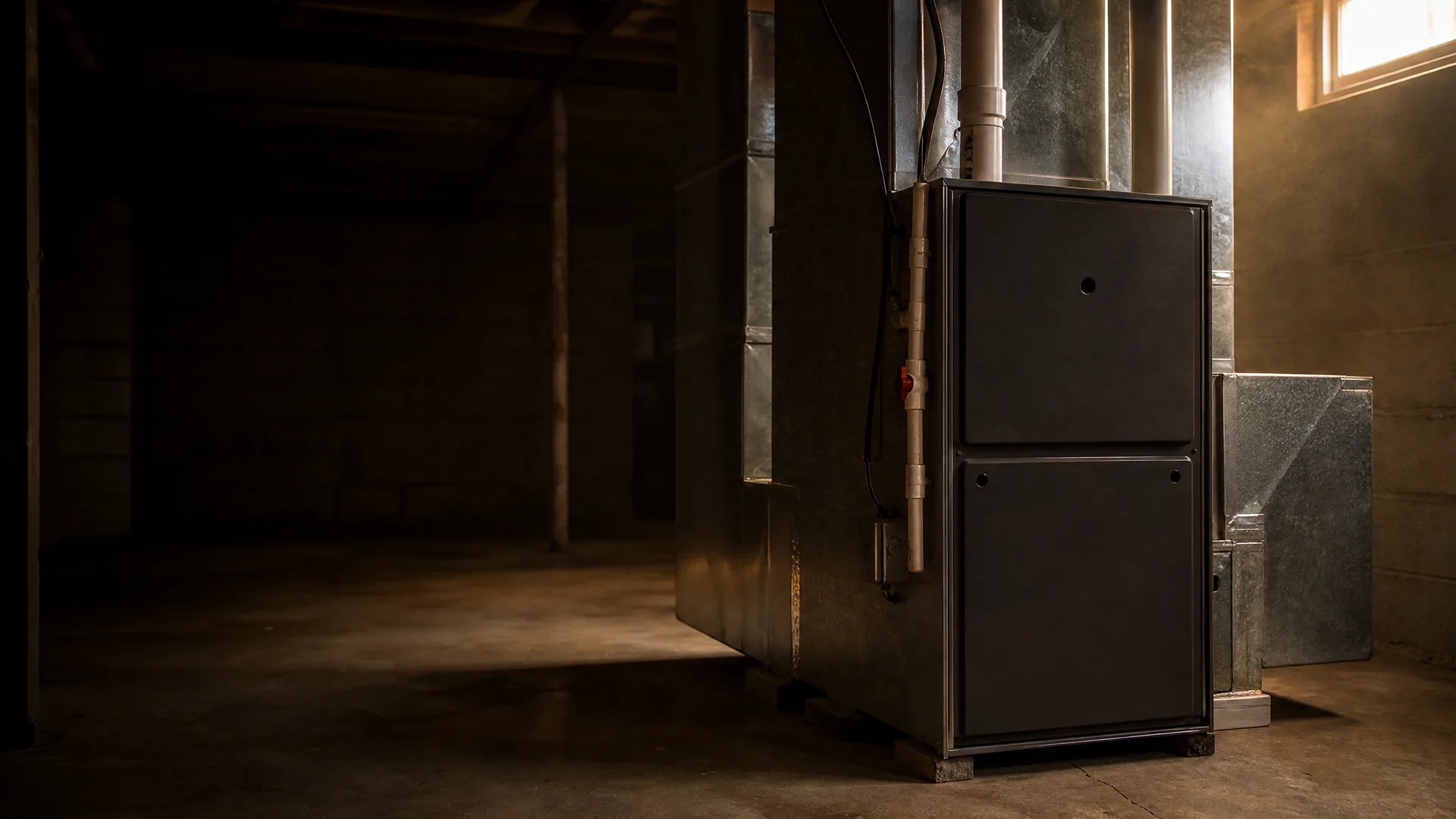
A dark residential basement with a concrete floor and block walls, containing a furnace with two access panels connected to galvanized sheet-metal ductwork and a white vent pipe, lit by a small window at upper right.

It's just past seven and the basement's gone cold enough that you noticed it on the stairs. The furnace sits dark, no hum, no blue glow behind the little window. You already relit the pilot once tonight and it held for maybe two hours before it died again. Dust hangs faint in the air where the access panel's been off since Tuesday. Upstairs the thermostat reads sixty-one. You've got the lighter in your coat pocket from the last three tries, and you're standing there deciding whether to kneel down and go through the thirty-second hold again or just grab a blanket and deal with it in the morning.

A beige high-efficiency furnace with white PVC vent pipes stands beside galvanized sheet-metal ductwork in a basement with a concrete floor, exposed wood studs, and metal piping along the wall.
A furnace burning clean holds its pilot through the longest night without you ever walking downstairs to check.
An older beige furnace with a louvered vent panel stands on a concrete basement floor beside galvanized sheet-metal ductwork, a metal flue pipe and vertical pipes along a concrete wall.
A furnace losing the fight vents its flue fine, but a worn part inside still lets the pilot drop out cold.
A woman in a dark gray sweater reclines on a light sofa with eyes closed and a slight smile, under a textured gray blanket with an open book resting on her lap, with a lit table lamp and plant in the background.
A smiling bearded man in a navy crewneck sweater sits at a dinner table with a glass of red wine, plates and glasses in the foreground, in a dimly lit room with a lamp and framed picture behind him.

A worn part, a known fix

  • A thermocouple that keeps dropping the pilot at night doesn't improve on its own, and relighting it only resets the clock until the next long burn cycle.
  • Replacing the thermocouple is a straightforward swap for someone who works on gas furnaces all season and sees this same failure constantly once the weather turns cold.
  • A local, licensed contractor who handles Utah furnaces through the winter knows this part fails from age, not from anything you did wrong.
  • Sending the request connects you with one contractor suited to the job, not a handful of companies competing for your callback.
  • Once that's sent, tracking someone down for a part that's easy to misdiagnose over the phone stops being something you have to manage.
  • The fix holds for years once it's done, so the furnace stops being something you have to check on before bed.

What's happening is simple once you see it. The thermocouple sits in the pilot flame every time the furnace fires, and years of that heat wear it down until it can't hold the gas valve open anymore. Nothing you did caused it, and nothing you do at home fixes it for good. Relighting the pilot buys you a few hours, maybe a night, then the next long burn cycle drops it again. That's the pattern these cold nights bring out, and it keeps repeating until the part itself gets swapped.

A contractor who works on furnaces all winter here has seen this exact failure enough times to know what it looks like before they even test it. That's not guesswork on their part, it's a part with a known lifespan doing what worn parts do. The swap itself is routine for someone who does it regularly, and once it's in, the pilot holds the way it used to, through the coldest nights without you having to check on it.

Sending the request puts you in touch with one licensed contractor local to Utah, suited to this job, rather than leaving you to field calls from several companies trying to win the work. From there, finding someone stops being your problem to manage. The part gets replaced, the pilot holds, and the furnace goes back to being something that just runs through the winter instead of something you're relighting at ten at night.

A gray high-efficiency furnace with two white PVC vent pipes stands in an unfinished basement beside galvanized sheet-metal ductwork, with insulated wood-framed walls and piping behind it.

It's off your list after this

Step 1 of 3: Equipment